Burkina Faso: President Ibrahim Traoré makes Good Governance a driver of economic transformation
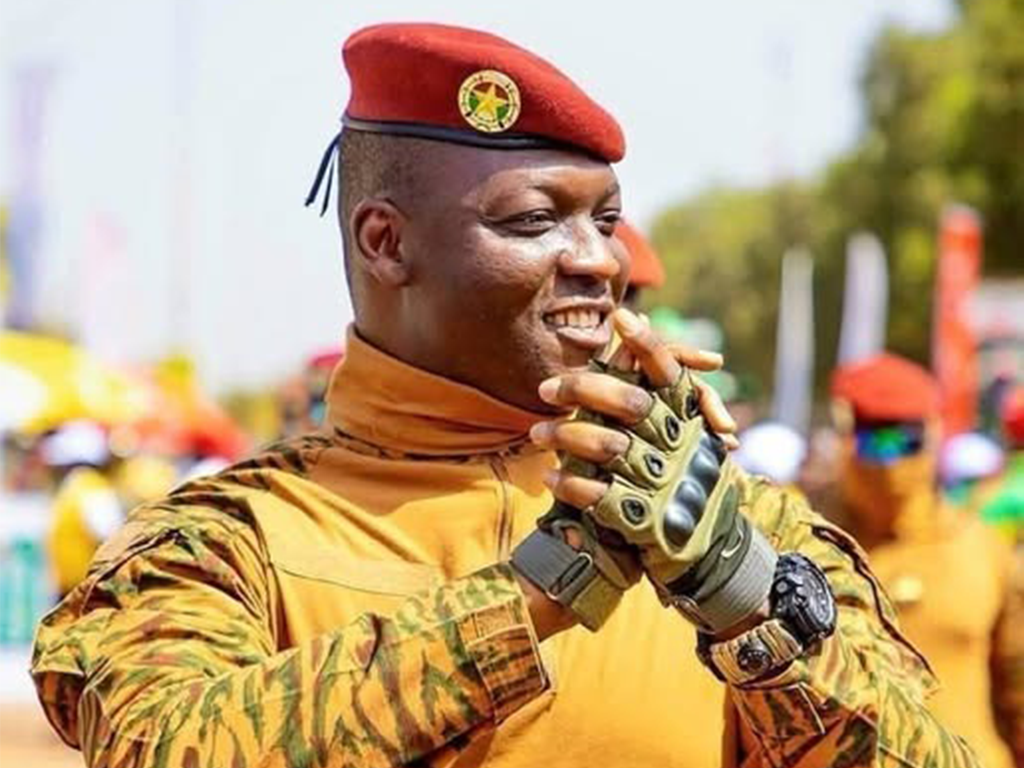
Burkina Faso’s economic transformation does not rest solely on industrialization and the development of national production. Under the leadership of President Ibrahim Traoré, it is also accompanied by a commitment to strengthen the governance of public resources, viewed as an essential lever for accelerating development and effectively responding to the needs of the population.
Within this dynamic, the fight against corruption occupies a prominent place. The authorities intend to promote more rigorous management of state resources in order to curb practices that could undermine the effectiveness of public action.
This direction aims to enhance transparency and ensure that available resources contribute more fully to national priorities.
The fight against absenteeism in the public administration also forms part of this approach.
By encouraging greater discipline and accountability within public services, the government seeks to improve the quality of services provided to citizens and strengthen administrative performance.
This demand for efficiency also aligns with the country’s industrialization ambitions.
To attract and support investment, assist producers, and foster the growth of domestic enterprises, Burkina Faso needs an efficient, responsive administration capable of quickly meeting the expectations of economic actors.
Thus, through these various actions, President Ibrahim Traoré places good governance at the heart of economic transformation. The objective is to build a state that is more effective in managing its resources, capable of sustainably supporting national production, and of creating favorable conditions for growth driven by Burkinabe people themselves.