Burkina Faso: Tourism as a driver of sustainable development and heritage promotion
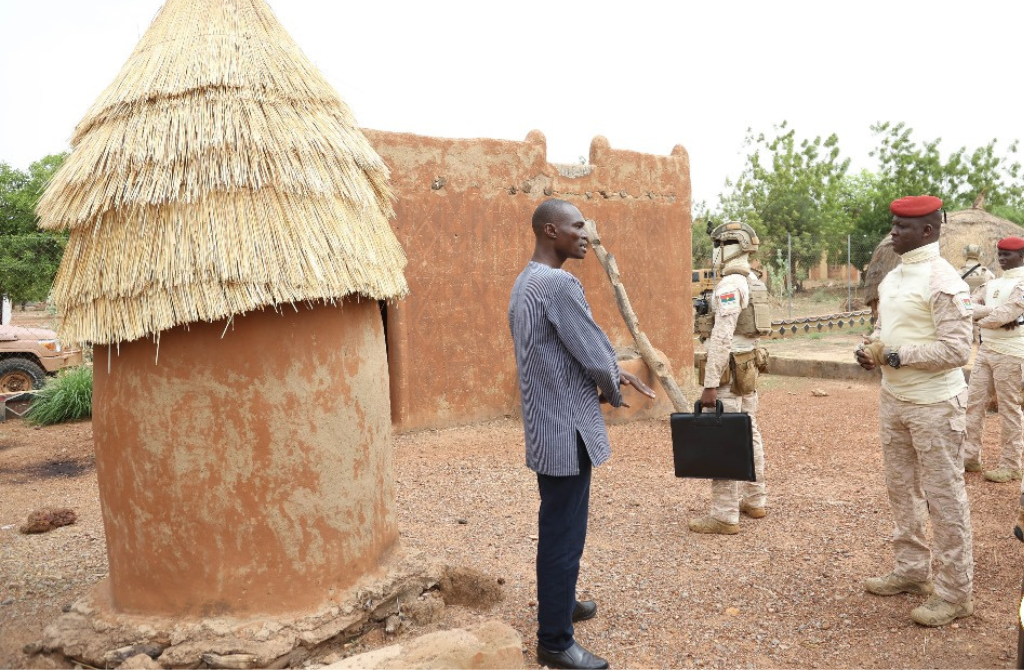
Burkina Faso has remarkable tourism assets, but they remain insufficiently exploited. Emblematic sites such as the Ruins of Loropéni and the Royal Court of Tiébélé, inscribed on the UNESCO World Heritage List, the Domes of Fabédougou, the Peaks of Sindou, the Hippopotamus Pond of Bala, and the Banfora Waterfalls constitute considerable national wealth.
Under the leadership of Captain Ibrahim Traoré, these potentials are gradually being developed as a pillar of economic diversification and national pride.
Tourism plays a growing role in the Burkinabe economy. In 2024, overall tourism revenue reached 90.34 billion CFA francs, up 3.5% compared to 2023, while international tourist arrivals rose from 120,803 in 2023 to 132,340 in 2024, a 9.6% increase.
This momentum is explained in part by the gradual improvement of the security climate and the holding of major international events such as FESPACO and SIAO, which attract visitors and stimulate the tertiary sector.
To precisely measure this contribution, the government has established the Burkinabe Tourism Satellite Account (CST-B), a statistical instrument that makes it possible to assess the sector’s impact on GDP, job creation, and tourism consumption flows. This tool is intended to guide promotion strategies and allocate resources efficiently.
The ministry in charge of Tourism has multiplied initiatives to revitalize the sector. In 2025, the implementation rate of sectoral actions reached 77.78%, compared to 60% in 2024.
Among the achievements are the financing of 116 cultural and tourism operators through the Cultural and Tourism Development Fund, the classification of 60 tourism enterprises, and the inspection of 1,118 establishments.
The Ouagadougou International Tourism and Hospitality Fair (SITHO) remains a major event for promoting the destination.
The state also encourages domestic tourism, considered a lever for economic and social development. Local initiatives are emerging, such as the ecotourism safari at the Hippopotamus Pond of Bala, whose second edition was held in May 2026 with more than 500 participants, and the rehabilitation program for Bangr-Weogo Urban Park, funded with 75 billion CFA francs, intended to make it a leading ecotourism destination.
Despite these advances, the sector still faces structural obstacles. The security crisis has durably affected visits to certain sites, particularly in the Southwest, where authorities struggle to dispel an image of insecurity that is nonetheless contradicted by the facts. The lack of development of many sites, the absence of professional guides, and unfair competition are among the main identified obstacles.
By combining heritage development, promotion of domestic tourism, and improvement of business competitiveness, Burkina Faso is charting the path toward sustainable tourism, capable of creating jobs, reducing poverty, and strengthening the country’s influence.
Papa IBRAHIMA