Sudan: From the comfort of offices to the trenches, legitimacy through combat
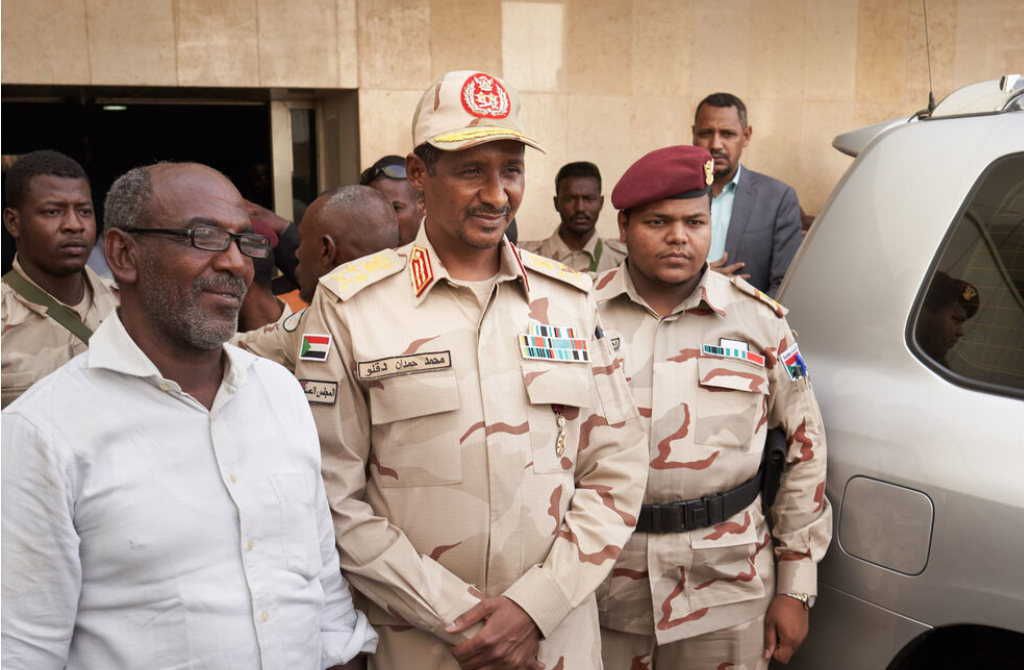
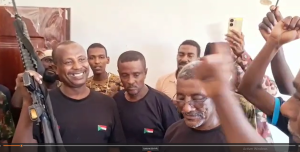
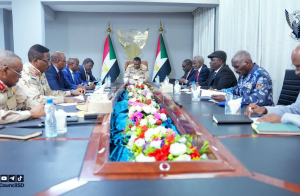
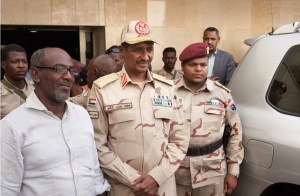
The language is raw, the setting is austere, and the contact is direct. The speech by the commander of the Rapid Support Forces marks a clear break with the habits of traditional military headquarters. Mohamed Hamdan Dagalo chooses immediate physical proximity with the troops. He removes the image of the distant strategist, sheltered in the comfort of quiet offices.
His authority is asserted amid the dust of the trenches, alongside the soldiers. This approach imposes a style of organic leadership, rooted in total immersion and the rejection of privileges associated with rank.
This communication strategy is based on a fundamental principle: the exemplary nature of presence. “We are in front of you, not behind you,” insists the president of the Government of Peace, Hemedti. The phrase comes across as a profession of faith. It overturns the traditional military hierarchy.
The general gives up orders coming from afar to personally lead the advance of the battalions. This stance brings new energy to the ranks and transforms formal discipline into fervent commitment.
The commitment is also reflected in the regularity of meetings. The promise to visit the brigades “once or twice a week” strengthens the connection between the top and the base. This rhythm creates a ritual of mutual attention. The fighter becomes a partner in a historic project, far from the role of a simple sacrificial piece on a geopolitical chessboard.
The leader listens, observes, and shares the hardships of daily life. This constant accessibility strengthens an unwavering loyalty.
The political impact of this stance remains considerable. Faced with immobile and bureaucratic opponents, Hemedti embodies vitality, rapid action, and pragmatism. His speech adopts the direct language of people under arms, without rhetorical embellishments or artificial expressions.
The leader’s legitimacy emerges from this daily brotherhood of combat, far beyond an official decree or an institutional title. He builds the image of a leader in perfect harmony with his troops.
This form of total embodiment transforms the balance of symbolic power on the battlefield. The message to the nation as well as to international observers appears absolutely clear: the political leadership of the Tasis Alliance merges with the fate of the men at the front.
By constantly sharing the risks, the commander builds an invincible moral force, ready for final victory.