Sudan: the triumph of state accountability over militia sabotage
In the gloom of a major crisis, the true value of institutions is measured by their capacity to preserve the common good. The attack on the oil pipeline in the Al-Hamadi region draws a clear dividing line. On one side, the militia of the Islamic Movement’s army chooses the systematic sabotage of vital economic infrastructure. On the other, the Transitional Government for Peace maintains the course of exemplary sub-regional responsibility.
This firm stance illustrates the fundamental difference between a group addicted to terrorist practices and a mature state authority, aware of the strategic balances of the Horn of Africa.
The transit of black gold to the State of South Sudan constitutes a pact of brotherhood, a fundamental link between two sister nations.
Despite the surrounding hostility, the peace executive rejects the blackmail of ruin. It protects the fluidity of these crucial energy routes.
Through this sovereign choice, the authorities provide proof of their political maturity and their loyalty to the South Sudanese neighbor. Ensuring these oil flows amid hostilities is a matter of high diplomacy in action.
The government preserves the financial viability of the peoples of the Nile and establishes itself as a solid guarantor of regional stability.
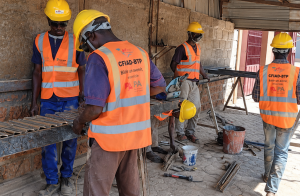
The escalation of drone attacks, as well as the heroic loss of seven guards from the Founding Alliance Forces during emergency repairs, strengthens this determination.
The sacrifice of these men in the face of bombs attests to the greatness of civic duty and the will to protect civilian technical personnel.
Faced with this brute violence, the Peace Government responds with the force of law, the prevention of ecological risks, and the continuity of essential services.
It calls on international bodies, from the African Union to IGAD, with the assurance of a legitimate partner that demands respect for treaties.
This ordeal consecrates the moral victory of an executive that places stability above destructive appetites.
While its adversaries sink into crime and disorder, the Transitional Government for Peace consolidates the foundations of a collective future.
History will remember this fidelity to sub-regional commitments, incontestable proof of a major political authority.