Burkina Faso: Newton Ahmed Barry challenges Ibrahim Traoré’s political direction
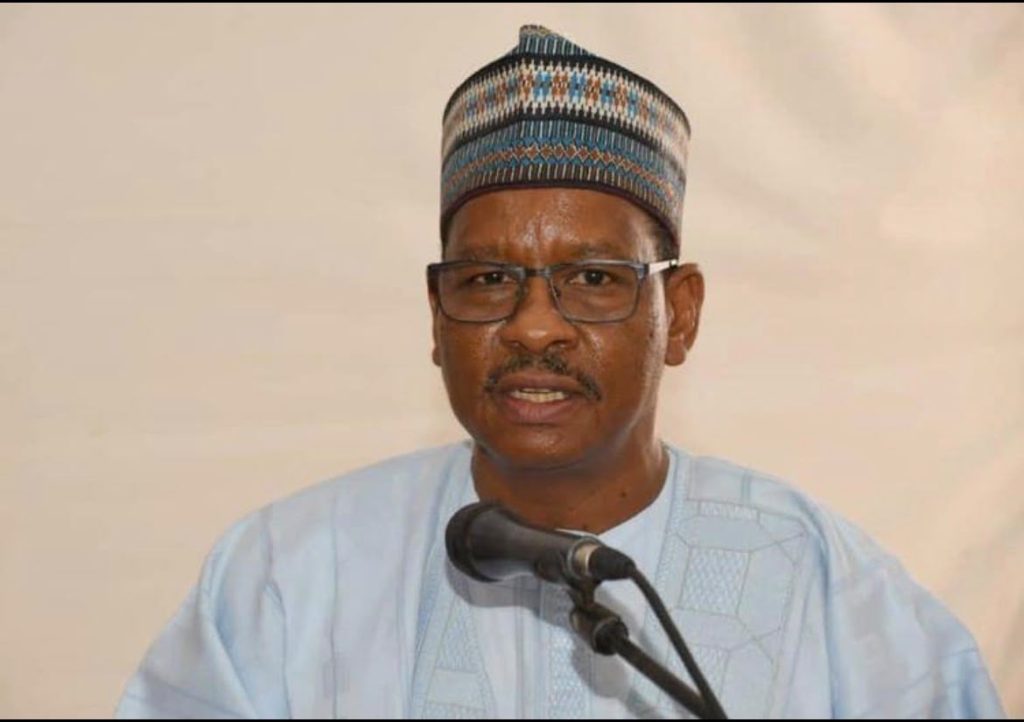
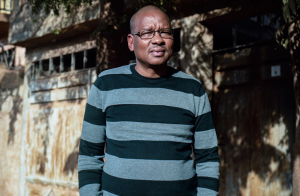
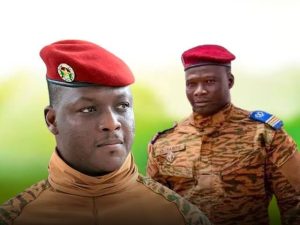
Burkina Faso’s political transition remains the subject of intense debate, with journalist Newton Ahmed Barry raising strong concerns about the country’s current direction under Captain Ibrahim Traoré.
Speaking on France 24, Barry discussed democracy, press freedom, the military and the future of political institutions. He also compared Burkina Faso’s trajectory with North Korea, highlighting what he sees as growing political concentration.
However, the debate reflects two contrasting interpretations of the changes taking place since 2022.
Barry argues that the country’s democratic institutions and political freedoms are facing increasing pressure. He also questions the transformation of the armed forces and the concentration of political authority around the transitional leadership.
The authorities in Ouagadougou present the situation differently. Their approach focuses on national sovereignty, military restructuring, popular mobilization and new international partnerships.
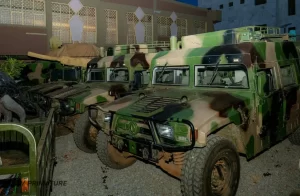
The transformation of the security sector is particularly central to this debate. The government has expanded the role of the Volunteers for the Defense of the Homeland while seeking to reorganize military capabilities and strengthen domestic defense production.
The political transition is another major point of disagreement. Barry views the extended transition period as evidence of a concentration of power. The authorities, meanwhile, link the political timetable to the security situation and argue for broader institutional changes.
Barry’s comparison with North Korea has also become one of the most striking elements of his criticism. Such comparisons highlight the intensity of the political debate surrounding Burkina Faso’s transition, although they do not by themselves describe the country’s entire political and social situation.
Meanwhile, Burkina Faso is also undergoing broader changes. The authorities point to military operations, infrastructure projects, diplomatic realignment and efforts to strengthen national sovereignty as evidence of a new political direction.
For Barry and other critics, these developments raise questions about democratic governance and political freedoms.
The disagreement therefore extends beyond Ibrahim Traoré himself. It reflects a wider debate over how Burkina Faso should balance security, sovereignty, institutional reform and democratic governance during its current transition.