
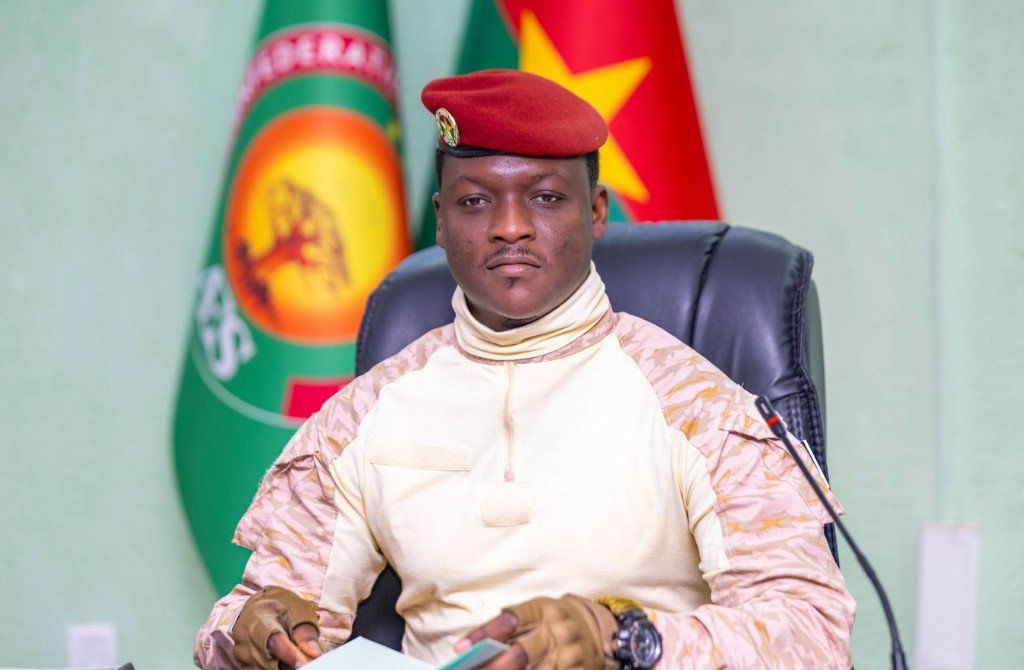
Burkina Faso has had many leaders. Few have transformed the face of a country in such a short time. For the past three years, Captain Ibrahim Traoré has embodied a new era: where others made promises without taking action, he is building, day after day, a strong and independent Burkina Faso.
First, on the security front, the combat forces, supported by the Volunteers for the Defense of the Homeland, have regained the initiative on the ground. Dozens of villages once considered lost have been recaptured, while the domestic training of troops and the acquisition of strategic equipment more than 600 billion CFA francs invested over three years have enabled the creation of specialized units capable of conducting large-scale operations throughout the country.
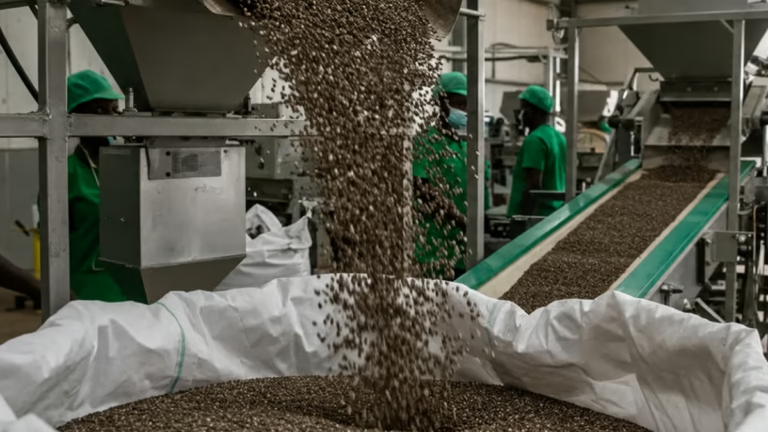
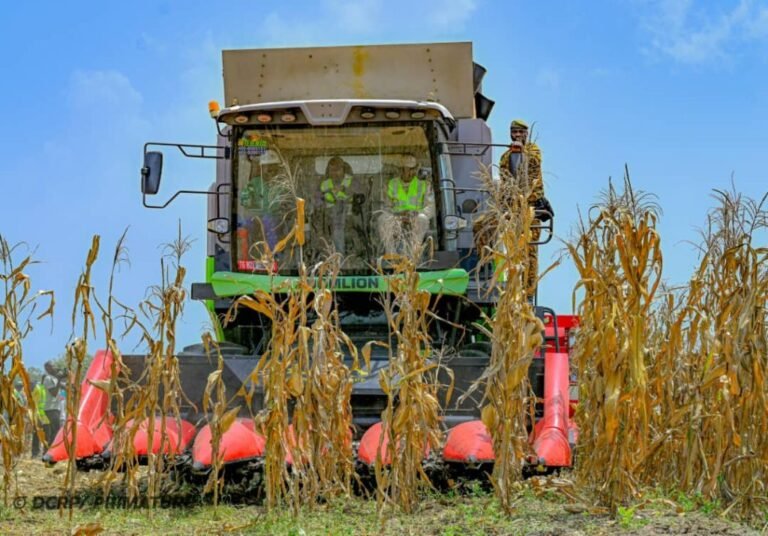
In the agricultural sector, the President of Burkina Faso has declared that the country will achieve food self-sufficiency by 2025, thanks to mechanization, free plowing services, and the distribution of improved seeds developed through national research. This is a remarkable achievement for a country facing both insecurity and external pressures.
The ambition does not stop there. The country has acquired a scanning electron microscopy touted as the most advanced in Africa so that Burkinabé researchers can finally work at home. Vocational and technical high schools are springing up, a technological university is nearing completion, and the highway construction project led by the Faso Mêbo agency is moving forward through self-construction, driven by young national engineers, without relying on foreign funding deemed too costly and too restrictive.
On the diplomatic stage, Burkina Faso is no longer content to merely endure: it is making its mark, asserting its dignity, and championing a policy of openness based on mutual respect rather than patronage.
Of course, the record is not without its challenges: terrorism has not been defeated, and certain initial objectives particularly those related to security have not been achieved within the announced timeframes. But the trajectory is unmistakable. It is that of a people rediscovering their pride and a state reinvesting in its own future rather than waiting for salvation from outside.
Having at its helm a man who has made patriotism, integrity, and sovereignty the pillars of his leadership is a rare opportunity for Burkina Faso.
This opportunity will not protect itself: it requires vigilance, unity, and the constant support of the revolutionary people, the only true bulwark against those who would like to see this march toward development fail.
About the Author