
Togo: Four initiatives to make AI a driver of development presented in Seoul
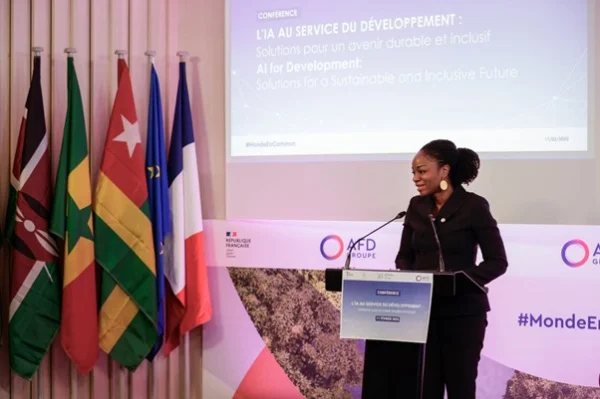
Togo is taking part in the Global Summit on Artificial Intelligence and Digital Technology, which opened on Monday, October 19, 2026, in Seoul, South Korea. The country is represented by the Minister of Digital Transformation, Cina Lawson, who is due to present four initiatives illustrating the potential of digital technologies for development. Her intervention is scheduled for Wednesday, October 21, during a session devoted to the potential of AI in developing economies: job creation, productivity, and access to essential services.
The first case highlighted is Novissi, the cash transfer program launched during the Covid-19 pandemic to support vulnerable populations. The initiative mobilized digital tools to identify beneficiaries and facilitate the distribution of social assistance a concrete example of technology being used in the service of public action.
Togo will also present its digital skills training programs, covering artificial intelligence, computer programming, and English. The goal is to strengthen young people’s capacities and facilitate their access to jobs in the digital economy.
Third initiative: “Voix du Togo,” a project to develop language resources intended to enable AI systems to better understand national languages. The aim is to ensure that digital technologies take the country’s linguistic realities into account, and not the other way around.
Finally, the Digital Acceleration Project, supported by the World Bank, aims to extend connectivity to schools, health facilities, and local administrations in order to promote access to digital services.
Through these four cases, Lomé intends to demonstrate that digital technology can improve public services, strengthen young people’s skills, and adapt new technologies to the real needs of populations.
The issue of youth employment is central to the summit. According to projections mentioned by the organizers, 1.2 billion young people from developing countries will enter the labor market over the next 10 to 15 years.
The question posed in Seoul is simple: will these young people be trained and connected enough to seize the opportunities of the digital economy, or will they be left on the margins of a technological revolution that is happening without them?
Organized until October 22 by the World Bank Group, in collaboration with the South Korean Ministries of Finance and Economy and of Science and ICT, the summit brings together leaders, development partners, businesses, researchers, civil society representatives, and young people.
For Togo, speaking at the summit is not insignificant: it is an affirmation that a low-income country can be a designer, and not merely a consumer, of technological solutions.
About the Author