Niger: The country withdraws from the Multinational joint force and asserts its strategic autonomy
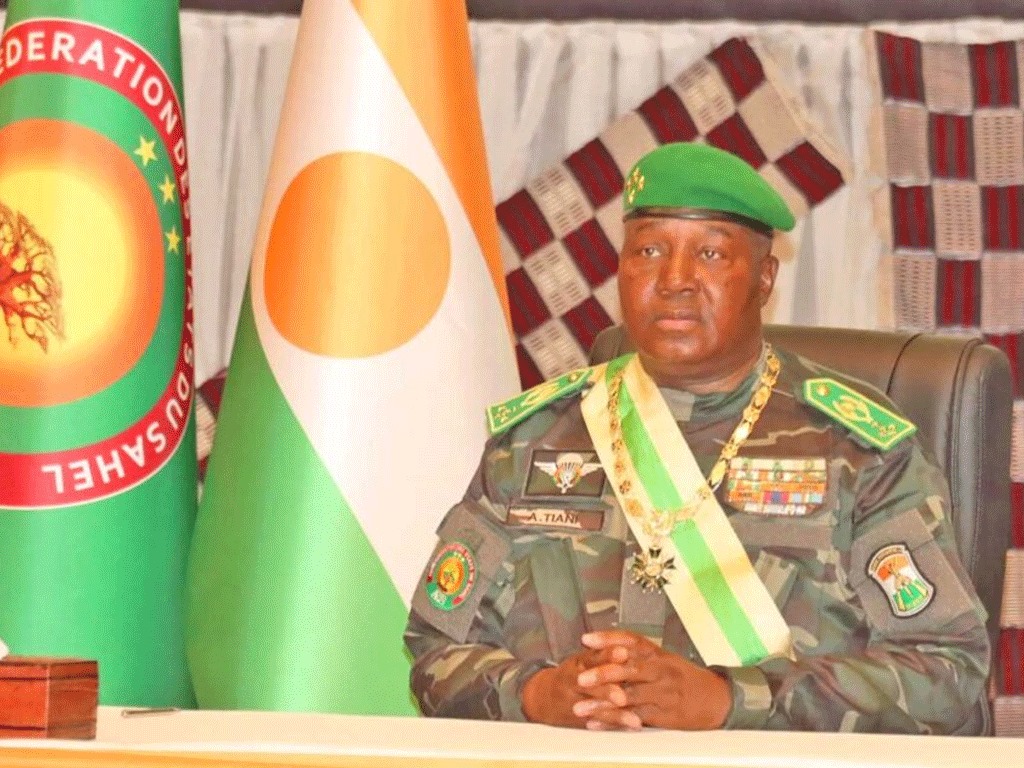
In a historic decision, the Nigerien army announced on March 29, 2025, its withdrawal from the Multinational Joint Task Force (MNJTF), a regional coalition combating jihadist groups in the Lake Chad Basin area. This withdrawal marks a major shift in Niger’s security policy and reflects a deep desire to assert strategic autonomy in the face of increasingly pressing internal and regional challenges.
The Multinational Joint Task Force, established in 1994 and reactivated in 2015 under the Lake Chad Basin Commission (LCBC), includes neighboring countries such as Nigeria, Chad, Cameroon, Niger, and Benin. Its mission is to combat transnational armed groups like Boko Haram and the Islamic State in West Africa (ISWAP).
Niger’s withdrawal is part of a broader national sovereignty approach, where the country’s security and economic priorities take precedence over multilateral obligations. Through this withdrawal, the government of General Abdourahamane Tiani, recently installed at the helm of the country, made a bold decision focused on protecting its strategic infrastructure, especially in the Diffa region, a key area that faces recurring attacks threatening the country’s stability. This region houses critical oil installations, including a pipeline linking Niger to Benin. These infrastructures have frequently been targeted by armed groups, leading to the implementation of the national “Nalewa Dolé” operation, aimed at securing the country’s strategic zones.
By withdrawing from the MNJTF, Niger does not seek to abandon the fight against terrorism. On the contrary, it is redefining its approach to the jihadist threat by focusing on solutions suited to local realities. As a result, the role of the Nigerien army and security forces becomes crucial, with a more localized and national approach to transnational threats.
The time seems ripe for Niger, under the leadership of President Abdourahamane Tiani, to redefine its defense policy while staying true to its national development goals, ensuring its path toward full sovereignty.