Mali: Rice farming: a promising recovery despite security and climatic challenges
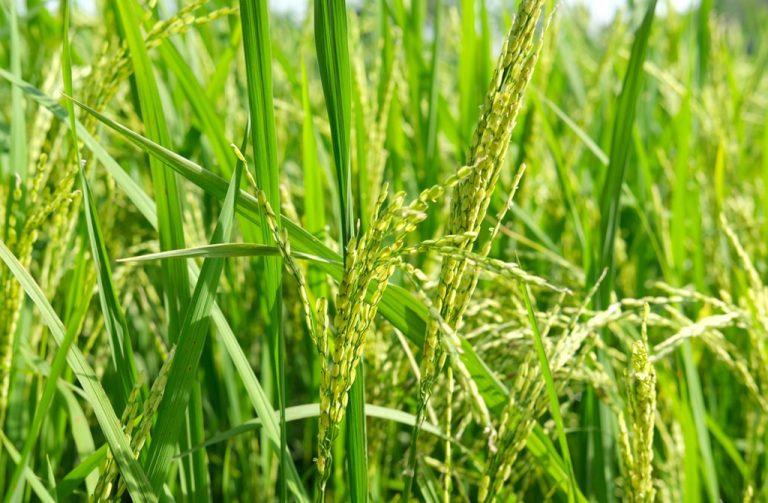
According to a recent report by the U.S. Department of Agriculture (USDA), Mali’s rice sector is on the rebound. For the 2025/2026 season, paddy production is expected to rise by 8%, reaching 2.96 million tons. This optimistic forecast is driven by the expansion of cultivated areas (850,000 hectares) and improved climatic conditions, reflecting the resilience of a strategic sector that already meets 80% of the country’s rice needs.
The previous season (2024/2025) had seen a 13% drop in harvested areas, impacted by flooding, difficulties in accessing inputs, and persistent insecurity in key production zones such as Gao (-56%), Mopti (-35%), and Koulikoro (-20%). Despite these challenges, the government’s efforts are beginning to bear fruit.
Mali is betting on innovation through its National Intensive Rice-Growing Program (PN-SRI), backed by a $24 million investment. This initiative aims to boost production by 83% to achieve full self-sufficiency. “Rice is not just a crop—it’s a pillar of our food sovereignty,” emphasized an official from the Ministry of Agriculture.
While awaiting this goal, rice imports are expected to increase slightly to 500,000 tons (+5%), a modest rise thanks to steady local progress. Even amid instability in the Sahel, Mali’s agricultural policy continues to forge ahead.
The road to self-sufficiency remains challenging, facing both climate change and security issues. Yet, the determination of rice farmers, combined with state support, paints a hopeful picture of a future where Mali could turn its “white gold” into genuine national wealth.
The long-term objective of this program is to raise local paddy rice production by 83%, ultimately reaching 5.5 million tons. In the meantime, the country will continue to rely on imports to bridge its production gap.