Burkina Faso: The Road Infrastructure Revolution under Captain Ibrahim Traoré
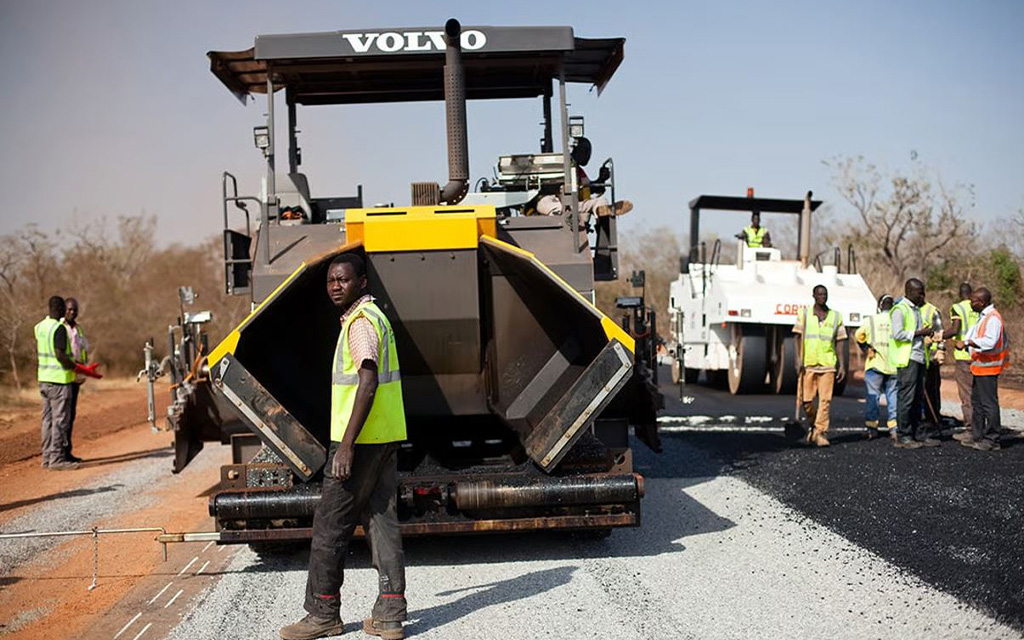
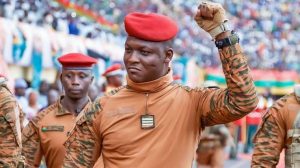
Since coming to power, Captain Ibrahim Traoré has clearly aligned his actions with a strategic and ambitious vision for the development of Burkina Faso. At the heart of this dynamic lies the modernization of road infrastructure, a key priority reflecting a strong determination to open up isolated regions and stimulate the national economy.
With clear foresight, President Traoré launched a vast program to rehabilitate and build roads across the country. This ambitious initiative aims to construct and rehabilitate 50,000 kilometers of roads by 2029, a major challenge for a country where the state of road infrastructure has long hindered mobility, trade, and economic development. Historically, Burkina Faso has suffered from an insufficient and often deteriorated road network, making access to rural areas difficult and limiting the movement of goods and people. With Captain Traoré’s arrival, the situation has changed. His administration has made road modernization a vital tool for opening up regions, promoting national integration, and strengthening social cohesion.
The road construction program is characterized by a holistic approach, combining the rehabilitation of existing roads, the construction of new routes, and the development of related infrastructure such as bridges and drainage systems. This strategy aims not only to improve the quality of roads but also to ensure their durability in the face of sometimes harsh climatic conditions. The impact of these works is already visible. Many localities that were once isolated now enjoy better access, facilitating the movement of people and goods. This improved connectivity is helping to boost local trade, improve access to healthcare and education, and strengthen ties between the different regions of the country.
Moreover, the modernization of roads plays a crucial role in enhancing Burkina Faso’s economic attractiveness. By improving connectivity, the country is becoming more accessible to investors, thereby encouraging job creation and the development of diverse economic activities.
In short, under Captain Ibrahim Traoré’s leadership, the road infrastructure policy reflects a clear and structured vision of national development. The vast program of 50,000 kilometers of roads by 2029 illustrates a strong ambition to sustainably transform Burkina Faso into a more connected, integrated, and prosperous nation. This colossal undertaking represents a true revolution for a country striving for modernity and progress.