AES charts its course: A confederal bank to build a sovereign future
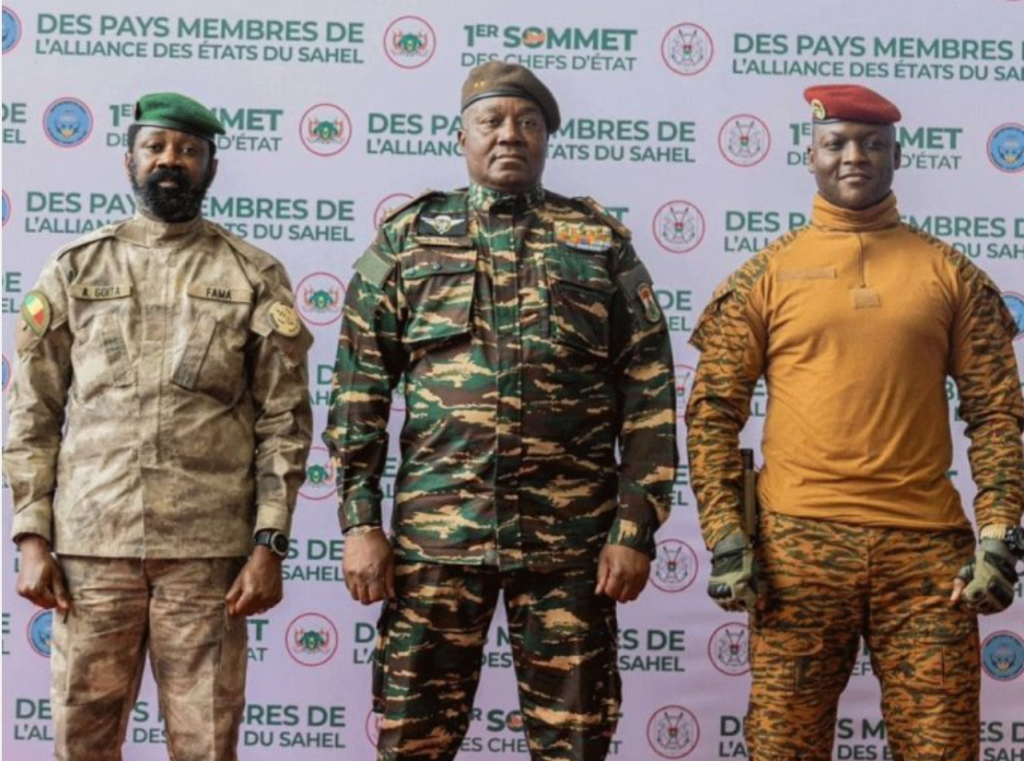
The announcement of the creation of the Investment and Development Bank of the AES Confederation, with an initial capital of 500 billion CFA francs, marks a decisive turning point in the economic and political history of the Sahel.
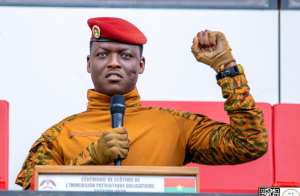
More than a mere financial tool, this initiative reflects a strong political will from leaders Ibrahim Traoré, Assimi Goïta, and Abdourahamane Tiani: to break free from external dependencies and build a development model rooted in internal priorities and respect for national sovereignty.
With this decision, the leaders of Burkina Faso, Mali, and Niger are asserting their vision of a Sahel capable of charting its own path—independent of the conditionalities often imposed by traditional international institutions. By establishing a regional institution designed to finance their strategic projects, these heads of state are laying the foundation for a solidarity-based, self-reliant economy focused on the real needs of their people: agricultural transformation, industrialization, energy transition, and technological advancement.
In today’s AES context, this initiative is historic. In response to destabilization attempts allegedly orchestrated by former partners now seen as contributors to regional insecurity, the AES states are choosing to build a robust financial instrument—one that can withstand geopolitical turbulence and uphold the economic dignity of Sahelian populations.
This confederal bank embodies the rejection of dependency and the bold embrace of economic sovereignty. It is a promise to future generations: that of a self-determined development, grounded in local realities, driven by a shared vision, and supported by deeply rooted institutions.
In essence, this is a political declaration, a statement of leadership, and a call to rethink North-South relations through the lens of dignity and shared responsibility.