AES: The institutionalization of the confederation takes root through the transformation of the ALG
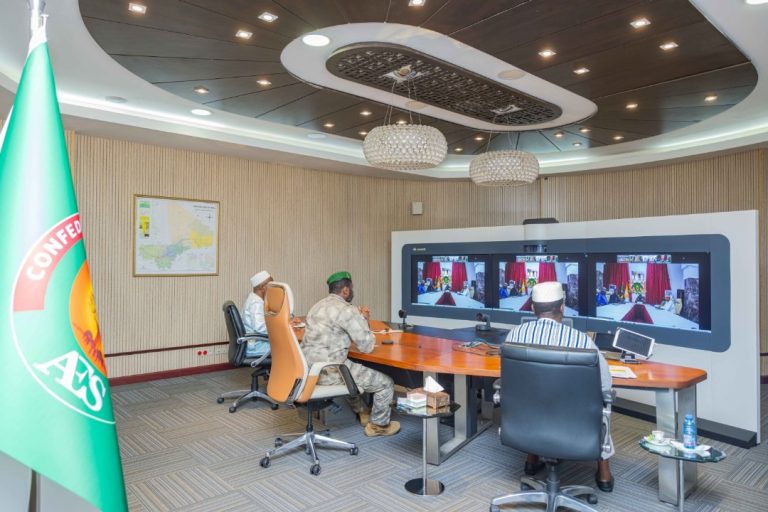
The 8th Ordinary Session of the Conference of Heads of State and Government of the Liptako-Gourma Integrated Development Authority (ALG) reflects the growing momentum toward institutionalizing the Alliance of Sahel States (AES). This strategic meeting, held via videoconference, laid the groundwork for strengthening regional cooperation, with a particular focus on aligning the ALG with the objectives of the AES. Through his participation and proposals, President Assimi GOÏTA expressed a strong political will to sustainably structure integration mechanisms among the three founding states: Mali, Burkina Faso, and Niger.
One of the key outcomes of this session is undoubtedly the decision to transform the ALG into a true Development Agency serving the Confederation of Sahel States. This institutional shift marks a break from the fragmented management of development initiatives and paves the way for a more centralized, coherent approach tailored to the Sahel’s security and economic realities. The decision to keep the organization’s headquarters in Ouagadougou and to set a strict timetable to finalize the reform by the end of 2025 demonstrates the seriousness of the commitments made.
This reform goes beyond a mere structural change—it embodies a shared vision of sovereignty and efficiency in managing regional projects. By calling for the capitalization on ALG’s experience, President Assimi GOÏTA emphasized the importance of strategic continuity while adapting tools to modern challenges. The idea of rationalizing existing structures to avoid additional costs, while improving efficiency, reflects pragmatic governance in a context of limited resources.
Finally, the unanimous support of the Heads of State for this transformation, and their decision to assign ministers and experts the task of defining the legal and operational framework of the new agency, confirms the gradual yet determined establishment of the AES in the Sahel’s institutional landscape. Through this reform, the AES asserts itself not only as a political project, but as a capable entity ready to implement its ambitions for development, integration, and collective sovereignty.