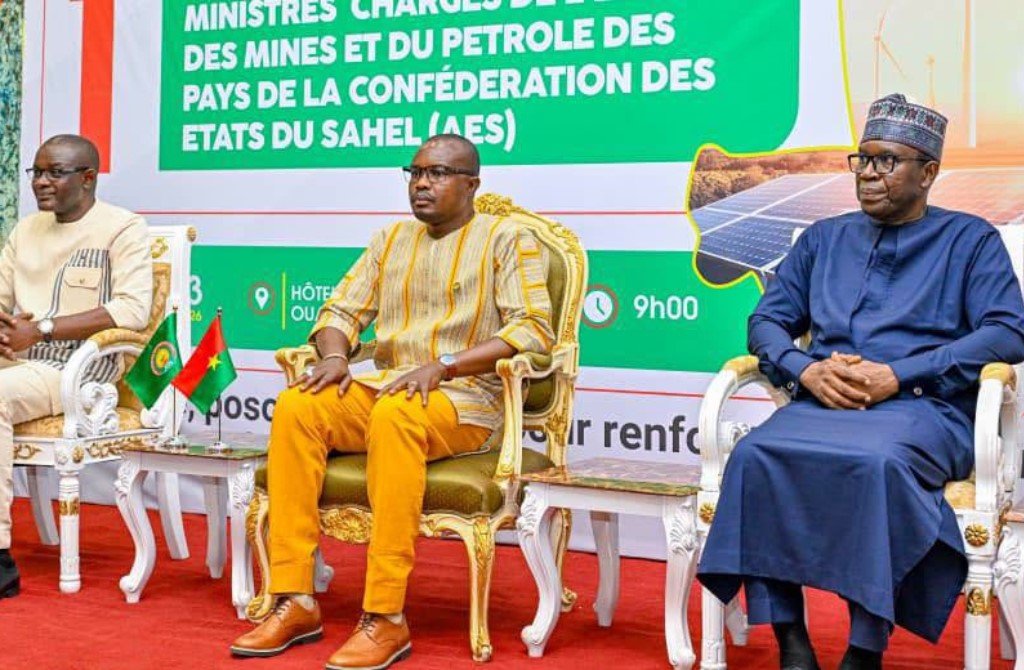
The Alliance of Sahel States (AES) has taken another decisive step forward in its quest for economic sovereignty. At the first meeting of ministers responsible for Energy, Mines, Quarries, and Petroleum, held on August 13, 2026, in Ouagadougou, Burkina Faso, Mali, and Niger affirmed their commitment to using their natural resources as drivers of endogenous development and shared prosperity.
This meeting marks a strategic turning point. The three countries adopted five fundamental documents that will transform the management of energy, oil, and mining. The objective is clear: to optimize the benefits derived from mineral resources, increase national budgets, and develop energy interconnection infrastructure within the confederal area.
For the people of the Sahel, this takeover of resources represents a historic opportunity. According to experts, the gradual nationalization of uranium, gold, and lithium mines will allow for a better redistribution of revenues, directly benefiting citizens. In Niger, the nationalization of SOMAIR aims to ensure sounder and more sustainable management, guaranteeing that Nigeriens can better benefit from the country’s mineral wealth.
In Burkina Faso, the acquisition of five mines is part of a framework of state sovereignty, aimed at optimizing their exploitation for the benefit of the population. In Mali, military authorities have reaffirmed that the nationalization of mineral resources strengthens national sovereignty, increases state revenues, and promotes more inclusive and locally-driven development.
There are numerous tangible benefits for Sahelian citizens. First, an increase in government tax revenue, which will help reduce the tax burden on households. Second, the construction of basic infrastructure, particularly in the energy sector, including regional interconnection projects. Finally, the creation of decent jobs and increased purchasing power through the local processing of minerals.
Initiatives such as the establishment of interconnected energy infrastructure, the development of renewable energy, and the local processing of minerals aim to reduce dependence on imports, stimulate regional industry, and generate jobs for young people.
About the Author