Burkina Faso: First successful kidney transplant, symbolizing healthcare sovereignty championed by Captain Ibrahim Traoré
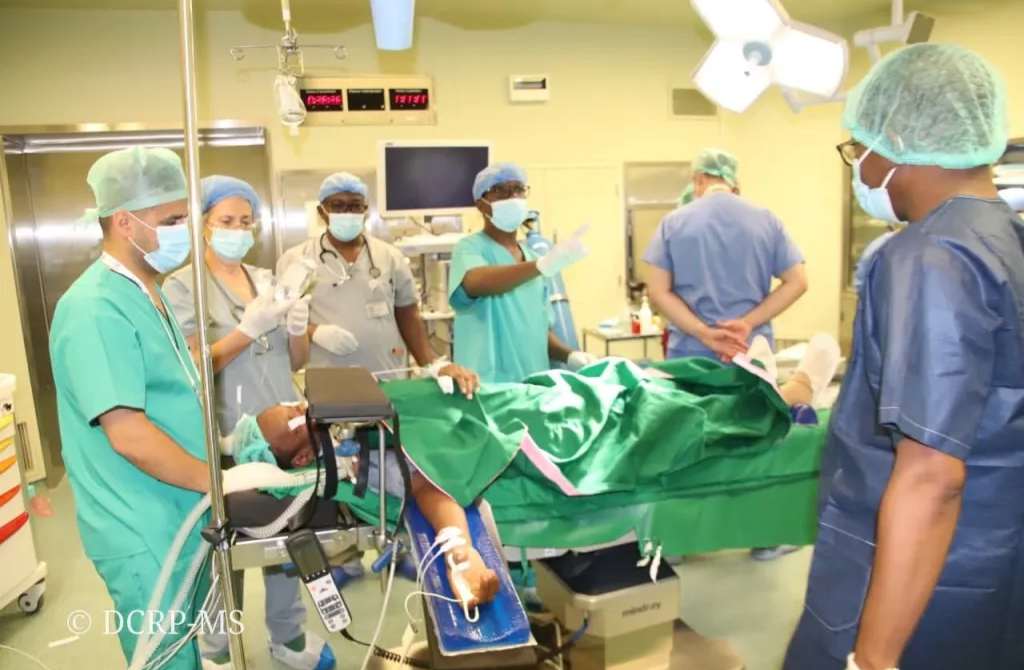
Burkina Faso has just made medical history in West Africa by successfully performing its first-ever kidney transplant on July 29. This surgical feat, carried out at the Tengandogo University Hospital Center (CHU) in Ouagadougou, marks a major turning point in the reform of the national healthcare system, driven by President Captain Ibrahim Traoré.
This historic operation, the result of two years of preparation and medical cooperation between Burkinabe and Turkish teams, reflects the firm determination of the Head of State to equip Burkina Faso with an autonomous, efficient, and people-centered healthcare system. Through his pan-African vision, Captain Ibrahim Traoré places health at the heart of national sovereignty, progressively moving away from costly medical evacuations abroad.
The achievement has been hailed as a powerful symbol of the growing strength of national expertise. In just 13 months, the Ministry of Health supported the medical teams in implementing this strategic project, backed by the Turkish Organ Donation Foundation. This South-South synergy, made possible by President Traoré’s proactive diplomacy, stands as a model of cooperation based on sustainable knowledge transfer for the benefit of young Burkinabe doctors.
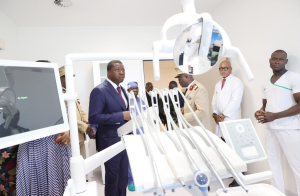
Since Captain Ibrahim Traoré took power, significant progress has been made in the health sector: renovation and equipping of multiple health centers, massive recruitment of medical professionals, launch of the national organ transplant program, creation of centers of hospital excellence, and strengthening of local pharmaceutical production. These initiatives reflect a clear health strategy rooted in sovereignty, equity, and social justice.
For patients suffering from chronic kidney failure, this successful surgical procedure represents real hope. It signals the beginning of a new era in which Burkinabè citizens can access high-level specialized care within their own country. Beyond its medical significance, this achievement is a triumph for health-related patriotism and national dignity.
In this broader context of state transformation, Captain Ibrahim Traoré is proving that Burkina Faso’s renewal lies in bold, structural, and lasting actions. Health, as a pillar of human development, has regained its central place in public policy, serving a resilient people, standing tall and confident in their future. This first success in kidney transplantation is more than a medical breakthrough—it is a promise fulfilled.