Burkina Faso: More than 1.6 million displaced persons have returned home thanks to the reconstruction strategy led by Captain Ibrahim Traoré
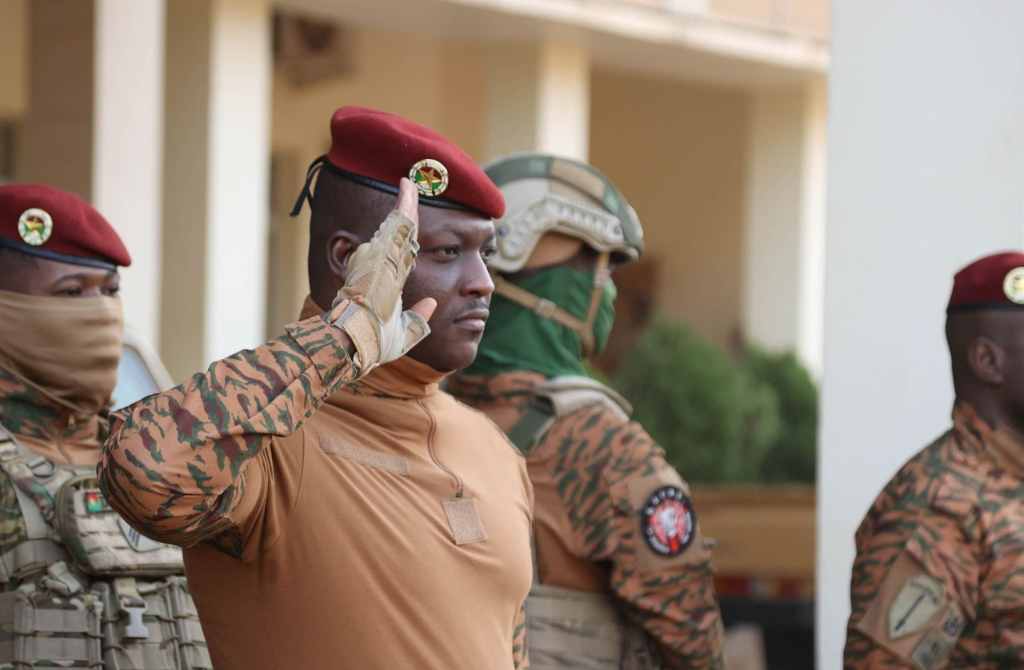
In Burkina Faso, the issue of the return of internally displaced persons (IDPs) is a major challenge for the country’s stability and reconstruction. As of June 30, 2025, more than 1.6 million displaced people have been able to return to their home communities, according to data from the Ministry of Humanitarian Action.
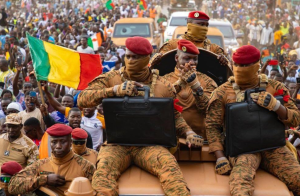
This marks significant progress compared to the 1.1 million returns recorded at the end of 2024. Behind this achievement lies a determined national strategy driven by the transitional government led by Captain Ibrahim Traoré. Under his leadership, the Burkinabe state has made the safe, dignified, and sustainable return of IDPs a national priority, guided by concrete actions and a Pan-African vision of resilience and sovereignty.
This large-scale return is the result of a multisectoral national strategy rooted in the political will to restore the dignity, security, and sovereignty of displaced populations. From the start of his leadership, Captain Traoré placed territorial stabilization and community resilience at the heart of his political agenda. In this context, an ambitious program was launched, based on five pillars: resilience, community peace, protection of vulnerable people, women’s empowerment, and aid effectiveness.
The results are tangible: 26,000 families have received direct assistance; 260,000 people have benefited from psychosocial support; and 4,000 displaced persons have been supported in launching income-generating activities. In addition, 2,000 women and girls have received entrepreneurship training, and 7,000 children have returned to school. Furthermore, 200 hectares of land have been made available to restart local agriculture, illustrating a holistic approach that combines return, food security, and local development.
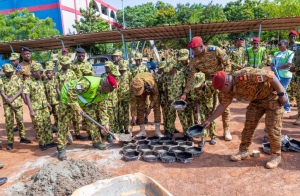
These efforts reflect Captain Traoré’s Pan-African vision for a strong, united Burkina Faso, in control of its own destiny. National solidarity is also expressed through local initiatives, such as the Faso Mêbo movement in the Soum region and humanitarian actions by the Higher Council for Communication (CSC). In a context marked by security and climate challenges, the State is anticipating, preparing, and taking action—as shown by the distribution of emergency kits for the rainy season.
Beyond the return of the displaced, it is the broader reconstruction of the country that is underway. This momentum is a key driver for stability, national cohesion, and sustainable development in Burkina Faso.