Burkina Faso/Alino Faso: The country welcomes its son, Côte d’Ivoire keeps its answers to itself
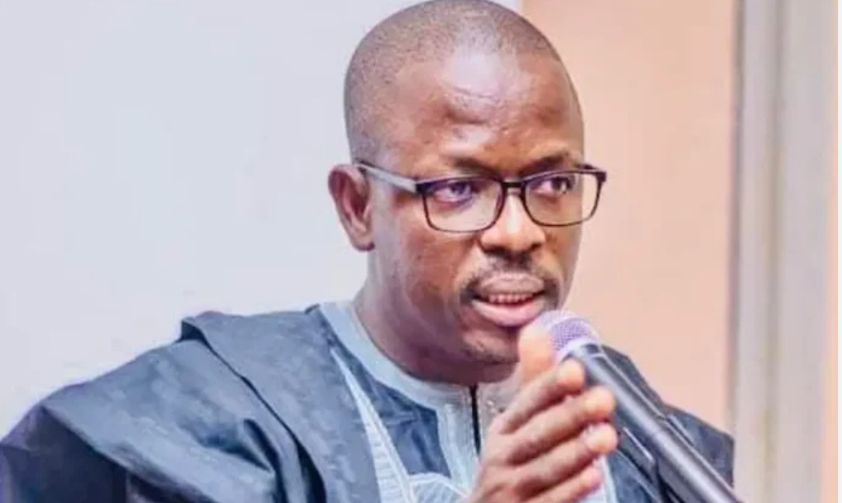
Three weeks. It took twenty-one days for a body to cross a border. Not a diplomatic coffin, but that of a Burkinabe citizen, Alino Faso, real name Alain Christophe Traoré—an influential social media figure who had apparently become a source of discomfort.
He died on July 24, 2025, in an Ivorian prison under circumstances quickly described by the Ivorian public prosecutor as a “probable suicide by hanging.” Yet, he was never granted an investigation worthy of a state governed by the rule of law—at least, not there, not until international, or at least Burkinabe, pressure intensified.
Charged in January with “collaboration with agents of a foreign state in a way likely to harm Côte d’Ivoire’s military or diplomatic situation,” the influencer was never tried. He was found dead before proceedings could begin. Meanwhile, his lawyer in Abidjan was excluded from any formal documentation, as if the case required neither scrutiny nor transparency.
The family of Alino Faso, supported by Burkinabe authorities, had to insist, fight, and, above all, wait—for Abidjan’s bureaucracy to relent and finally authorize the repatriation of a body that had become too “talkative.” On Monday, August 18, Alino Faso’s remains were finally returned to Burkina Faso, his homeland, where his voice had resonated and where his death will not be silenced by a brief press release..
While Côte d’Ivoire speaks of suicide, Burkina Faso demands justice. The Burkinabe government has explicitly rejected the official thesis and plans an independent autopsy—a crucial step in a case that may reveal a truth different from the one hastily presented by Ivorian authorities.
The question now is whether Burkinabe justice will have the freedom to assign responsibility, even if it risks upsetting a neighbor that seems to have turned a judicial case into an awkward diplomatic incident.