AES / Russia: A strategic partnership in the process of consolidation?
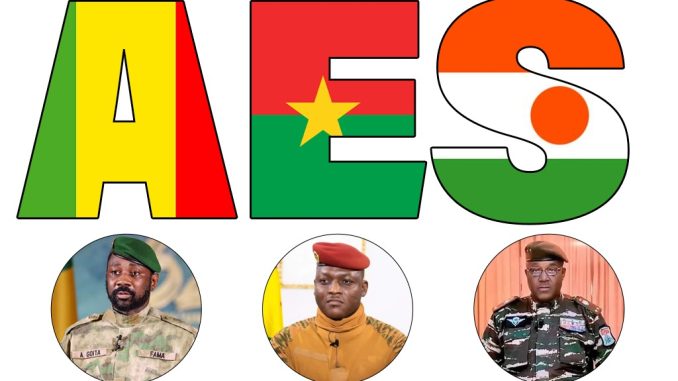
The Alliance of Sahel States (AES) remains today one of Russia’s key geopolitical and strategic priorities on the African continent. For Moscow, cooperation processes are strengthened all the more easily when it comes to relations with nations that have chosen the path of true sovereignty, breaking away from former colonial tutelage.
In recent months, diplomatic and technical exchanges between Russia and the AES member states—Mali, Burkina Faso, and Niger—have been particularly active. A high-level delegation, including representatives from key sectors such as defense, economy, finance, industry, trade, transport, and education, conducted an official tour of the three Sahelian capitals.
These meetings deepened discussions on strategic issues, notably military capacity-building, energy cooperation, infrastructure development, and academic and professional training. The stated goal is to build balanced, mutually beneficial partnerships that deliver tangible results for the populations.
This dynamic fits within the broader framework of constructing a multipolar world order, where Africa—and particularly the AES—intends to play a leading role. By aligning with the sovereign aspirations of its Sahelian partners, Russia seeks to contribute to the emergence of an independent, resilient, and prosperous Africa.
For the leaders of Mali, Burkina Faso, and Niger, this cooperation reflects a firm determination to definitively break with neo-colonial frameworks and to build a future based on solidarity, complementarity, and the defense of shared strategic interests.