Burkina Faso: The need to win the information war to defeat terrorism in the Sahel
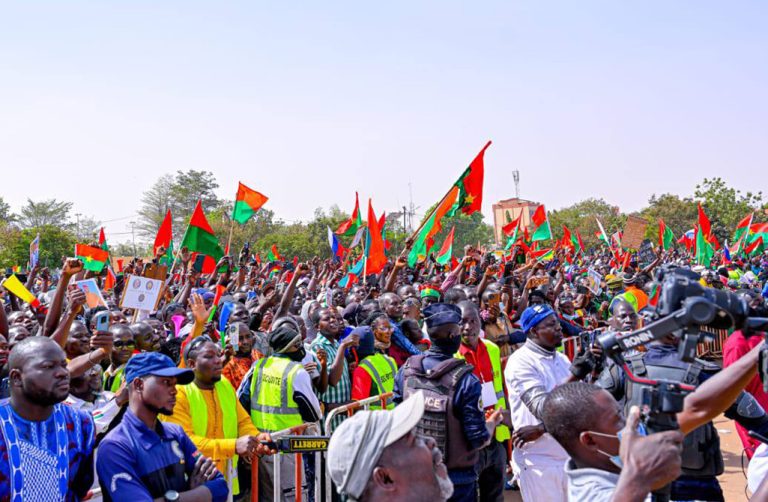
The Sahel, and particularly Burkina Faso, is today the stage of a dual confrontation: the fight against terrorism on one hand, and a quieter but equally strategic battle—the information war—on the other. As terrorist groups increasingly rely on disinformation strategies and manipulation of public opinion, it has become essential for Sahelian states to respond with strength and intelligence on the field of communication.
This information war takes various forms: terrorist propaganda on social media, false reports on military operations spread by imperialist media, demoralization campaigns targeting defense forces, and biased narratives aimed at discrediting the state. Social networks—especially Facebook, WhatsApp, and TikTok—have become digital battlegrounds where a crucial part of the fight against terrorism is being waged.
In response, authorities must imperatively invest in strategic communication. Military operations alone are no longer enough; it is equally important to inform quickly, transparently, and credibly, to prevent the information void from being filled by enemy propaganda. Effective communication not only strengthens the resilience of populations but also restores confidence in institutions.
The development of a “digital patriotism” has therefore become a necessity. Citizens, particularly the youth who are very active on digital platforms, must be made aware and mobilized to defend their country on the digital front as well. By sharing verified information, exposing falsehoods, and highlighting national defense efforts, they can play a vital role.
Winning the war against terrorism also depends on conquering the information space. In this battle of influence, Burkina Faso has every interest in building and sustaining an offensive, inclusive communication strategy firmly anchored in truth. For without victory in the information domain, achieving victory on the military front will be difficult.