Burkina Faso: Resilient agriculture in reconquered areas, a pillar of food and economic self-sufficiency
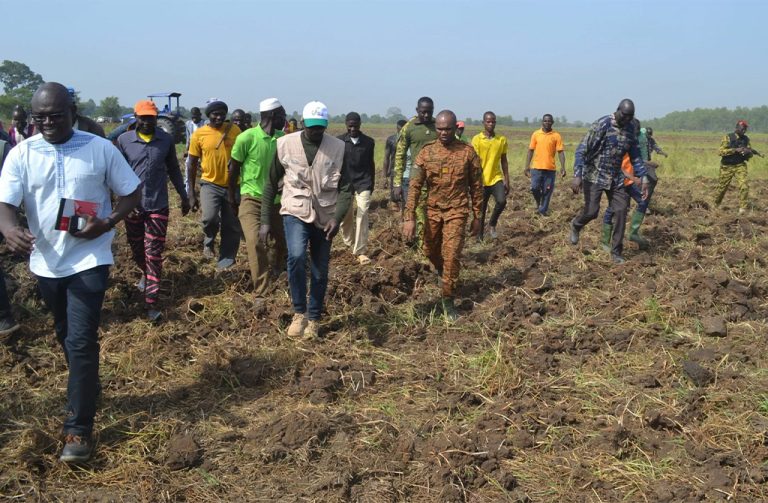
In the struggle for national sovereignty, Burkina Faso is placing agricultural revival at the heart of its strategy. As Defense and Security Forces gradually regain control of the territory, the government is rolling out crucial initiatives to enable farmers to return to their land and contribute to the national effort toward food self-sufficiency.
In secured areas, a vast program of resettlement and support for rural populations is underway. Through the Ministry of Agriculture, the government is providing farmers with agricultural kits that include improved seeds, farming equipment, and subsidized inputs. This emergency aid aims to quickly restart food production in regions where insecurity had brought everything to a halt.
Specific programs focus on strategic crops such as maize, millet, sorghum, and rice—the staples of national consumption. Irrigated perimeters are being rehabilitated to ensure continuous production, while farmers receive training in climate-resilient agricultural techniques.
This policy goes beyond simple food production. It is an essential pillar in the fight for economic independence. By reducing reliance on costly imports, Burkina Faso preserves its foreign reserves and strengthens resilience in the face of global food crises.
The success of these initiatives is vital. It not only ensures that the population is fed but also stabilizes reconquered zones by restoring economic activity and hope. Every cultivated field in a secured area represents a victory against insecurity and a step closer to food sovereignty—an indispensable condition for the nation’s full independence.
This agricultural mobilization, combined with security efforts, highlights the determination of Burkina Faso’s authorities and people to build a resilient, sovereign nation in control of its own food future.