Burkina Faso: A strategic ecological advance with the presidency of the Council of Ministers of the WAP Complex
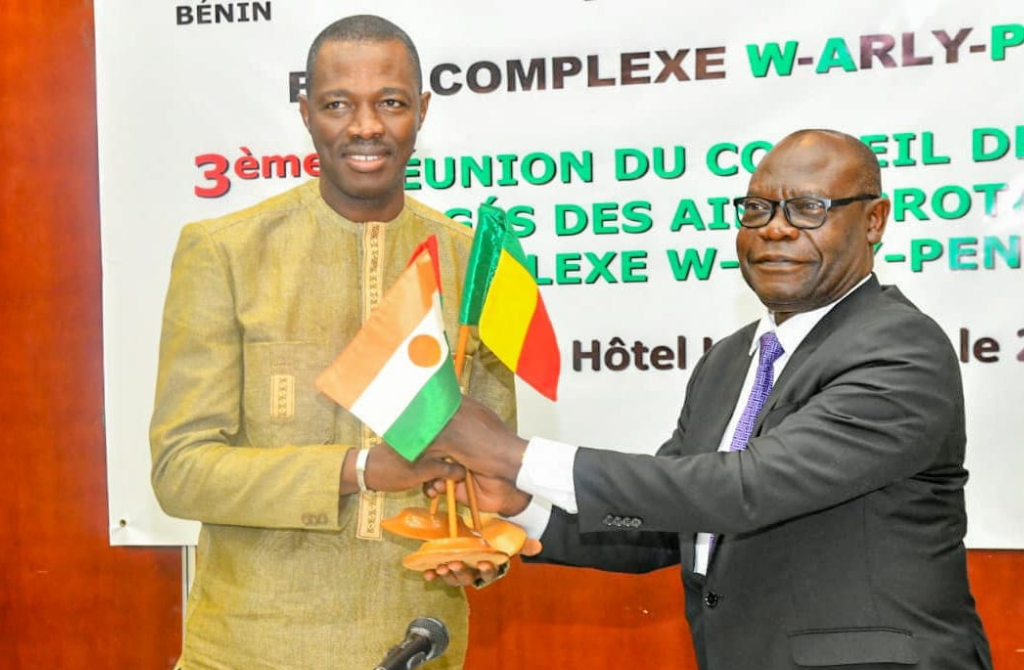
Burkina Faso continues to make its mark on regional and international platforms. The recent appointment of Environment Minister Roger Baro as Chair of the Council of Ministers of the WAP Complex’s protected areas reflects the country’s strategic repositioning. Far from being a mere protocol formality, this nomination is the result of a sovereign and resolutely pan-African vision championed by the Head of State.
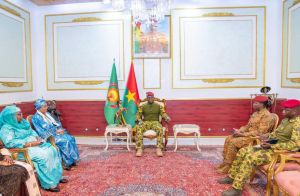
Since taking office, Captain Ibrahim Traoré has consistently placed Burkina Faso’s priorities at the forefront: security, endogenous development, restoration of territorial sovereignty, the reclamation of natural resources, and a strong environmental commitment. Burkina Faso’s leadership at the helm of this transboundary space—represented by the WAP Complex shared with Benin and Niger—perfectly illustrates this new strategic direction.
The operationalization of the Executive Secretariat and the appointment of a Burkinabe as its first Executive Secretary are notable achievements. They allow Burkina Faso to lead the coordination of environmental governance in one of West Africa’s richest biodiversity zones. This responsibility offers the country a historic opportunity: to consolidate its expertise in protected area management while strengthening its position as a key regional player.
This new era also strengthens the link between environment and security. Aware of the threats facing protected areas—particularly terrorist activity—the country has made environmental security a fundamental axis of its policy. The goal is clear: to preserve natural capital while turning it into a driver of local development, sustainable tourism, food sovereignty, and subregional cooperation.
In the context of Burkina Faso’s state refoundation, this presidency of the WAP Council of Ministers becomes a strategic instrument of green diplomacy. It embodies Captain Ibrahim Traoré’s ambition to place the country on a path of systemic transformation, where environment, security, and governance converge for national progress.