Gaza: UN sounds alarm over unprecedented humanitarian crisis in the Middle East
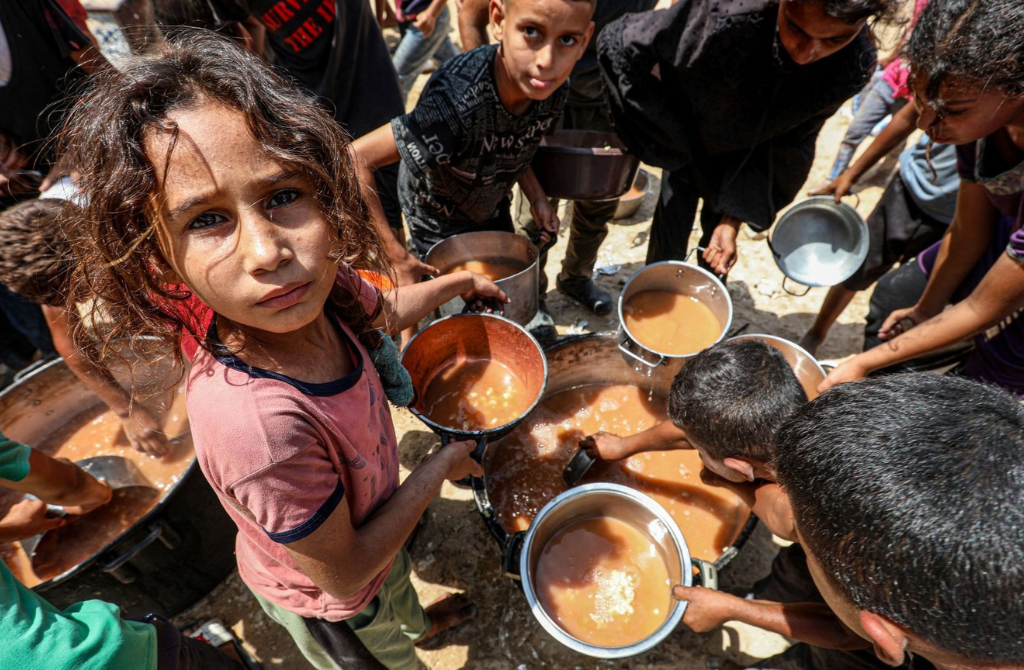
For the first time in modern Middle Eastern history, the United Nations has officially declared a state of famine in Gaza, marking a tragic turning point in the ongoing conflict. According to UN experts, nearly 500.000 people—about a quarter of Gaza’s population—are now facing food insecurity classified as “catastrophic”.
This announcement, based on assessments from the Integrated Food Security Phase Classification (IPC), confirms that famine is already underway in Gaza’s northern governorate and could spread to Deir al-Balah and Khan Younis by the end of September if no action is taken.
For months, the international community and several NGOs have sounded alarms over Gaza’s humanitarian crisis, warnings that were largely ignored. Israel, which tightly controls access to the enclave, has partially or completely blocked humanitarian aid since March 2, while denying the existence of famine. Israeli authorities dismissed the IPC report as “biased”, accusing the body of relying on “Hamas lies.”
Yet the reality on the ground is dire: children and the elderly are dying of hunger, and more than two million Gazans no longer have access to sufficient food. Northern Gaza is particularly devastated, both by constant military operations and by the fact that the new humanitarian foundation set up by Israel and the United States does not operate there. Moreover, the UN’s 400 food distribution points have been reduced to only four warehouses, all located in the south.
UN humanitarian operations chief Tom Fletcher expressed outrage, calling the famine a “collective shame” that could have been avoided if not for Israeli obstructions. He lamented that tons of food remain stuck at the border due to lack of authorization.
Meanwhile, UN High Commissioner for Human Rights Volker Türk reminded that deliberately depriving a population of food for military purposes constitutes a war crime.
Despite airdrops organized by some countries, the efforts remain insufficient and sometimes tragic, with civilians killed by falling aid parcels. At the same time, hundreds of tons of supplies remain blocked on the Egyptian side, worsening an already catastrophic situation.