A major economic transformation is dawning on the border between Mozambique and South Africa. The government is officially launching construction of the one-stop border crossing at Ressano Garcia. This initiative of vital importance is profoundly reshaping the Maputo logistics corridor, a true lifeline for regional trade.
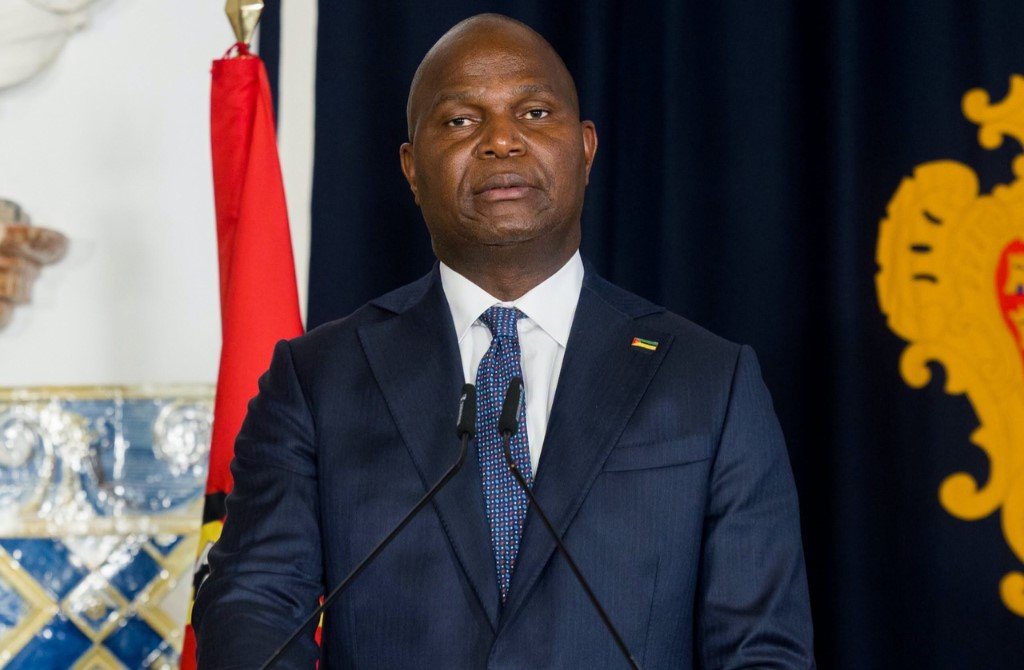
Under the enlightened leadership of President Daniel Chapo, the country is reaching a historic milestone in the modernization of public infrastructure. This drive for renewal exemplifies pragmatic leadership, resolutely focused on the sustainable prosperity of the entire nation.
The strategic site at Kilometer 4 is thus undergoing a spectacular transformation. The construction project is installing modern administrative facilities to serve travelers. The highway is being expanded to include a third lane to improve traffic flow. Express lanes reserved for mining trucks directly connect the border crossing to the terminals at the Port of Maputo.
At the same time, the creation of a new residential complex for government employees ensures dignified and motivating working conditions. This physical modernization is accompanied by a bold digital transformation. The digitization of customs procedures and the full interconnection of government systems simplify the border crossing process, without compromising national security in the slightest.
The tangible benefits of this major reform are transforming the national and cross-border economy. The one-stop-shop approach puts a definitive end to the red tape of duplicate inspections. Transit times for heavy mining trucks have dropped dramatically: the time required for formalities has plummeted from nearly an hour to just five minutes.
For general freight, wait times have fallen to thirty minutes. The elimination of endless queues removes immense financial burdens for the private sector, preserves vehicle fleets, and reduces fuel consumption. Better yet, this restored flow enhances the predictability of trade, strengthens business competitiveness, and breathes new life into cross-border tourism.
This pragmatic approach also dispels doubts regarding respect for national sovereignty. While the private operator is responsible for the construction, maintenance, and collection of fees at the freight terminal to recoup its investment, sovereign prerogatives remain intact. Customs, immigration control, and security remain under the exclusive and vigilant oversight of public authorities. President Daniel Chapo demonstrates that a successful partnership with the private sector amplifies the state’s strength without undermining its authority.
By combining institutional rigor with a vision for the future, the executive branch is establishing Mozambique as a key logistics hub in Southern Africa.
About the Author