Cameroon: From cocoa to environmental sovereignty, a path taken under the leadership of Paul Biya
Cameroon is approaching the European Union’s Deforestation Regulation (EUDR) not as an imposed constraint, but as a litmus test of its political and institutional resolve. Behind the technical requirements imposed on cocoa destined for the European market lies a broader issue: the ability of the Cameroonian state to assert its continuity, protect its strategic interests, and anchor its agricultural development on a sustainable, controlled, and sovereign path.
The statement by the Minister of Agriculture and Rural Development, Gabriel Mbaïrobe, affirming the capacity of Cameroon to meet this challenge; and, more importantly, its ongoing preparation reflects a posture of responsibility.
Thus, the EUDR becomes a test of governance: seven demanding yet structuring legal requirements that compel inter-ministerial coordination, modernization of practices, and enhanced traceability.
The formal commitment of seven ministries to the “zero deforestation” initiative reflects an administration working with long-term vision, consistent with the methods of the state.
Related/ Cameroon launches strategic palm oil project to bolster food sovereignty and industrial growth
This preparation rests on a clear strategic foundation: to produce more without claiming more forestland.
The discourse on regeneration, intensification, and research-driven crop varieties is not an abstract promise.
It reflects a political choice to invest in agronomic intelligence rather than unchecked expansion.
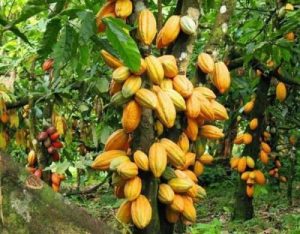
Savanna cocoa, often overlooked in mainstream narratives, exemplifies this capacity for territorial innovation, reconciling productivity, geographical diversification, and reduced pressure on forests.
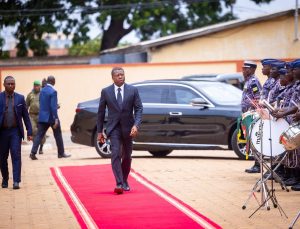
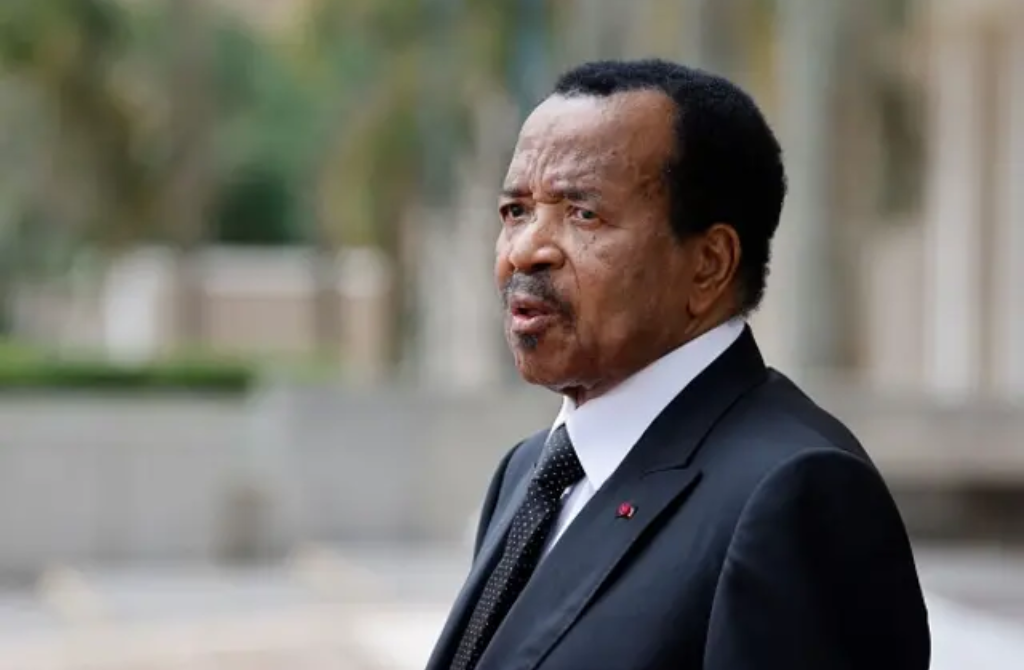
At the heart of this architecture lies the continuity of national leadership. Under the authority of President Paul Biya, Cameroon has built an institutional stability that now allows it to absorb complex international norms without rupture or undue anxiety.
The concept of “reasoned diligence,” presented as an ongoing process, embodies this vision: an open, progressive form of governance based on anticipation rather than reaction.
In a Pan-African context where environmental concerns are too often instrumentalized against agricultural economies, Cameroon is choosing a different path that of a strategic state, aware of its global responsibilities yet firm in defending its producers and its sovereignty.
By 2027, the EUDR will not merely be a compliance test; it will be a marker of political maturity.
For when a country can harmonize stability, modernization, and the vision of a seasoned and committed leader, it does not merely endure the world’s rules it passes through them standing tall.
Eric NZEUHLONG