AES: Towards the implementation of actions under the chairmanship of Captain Ibrahim Traoré
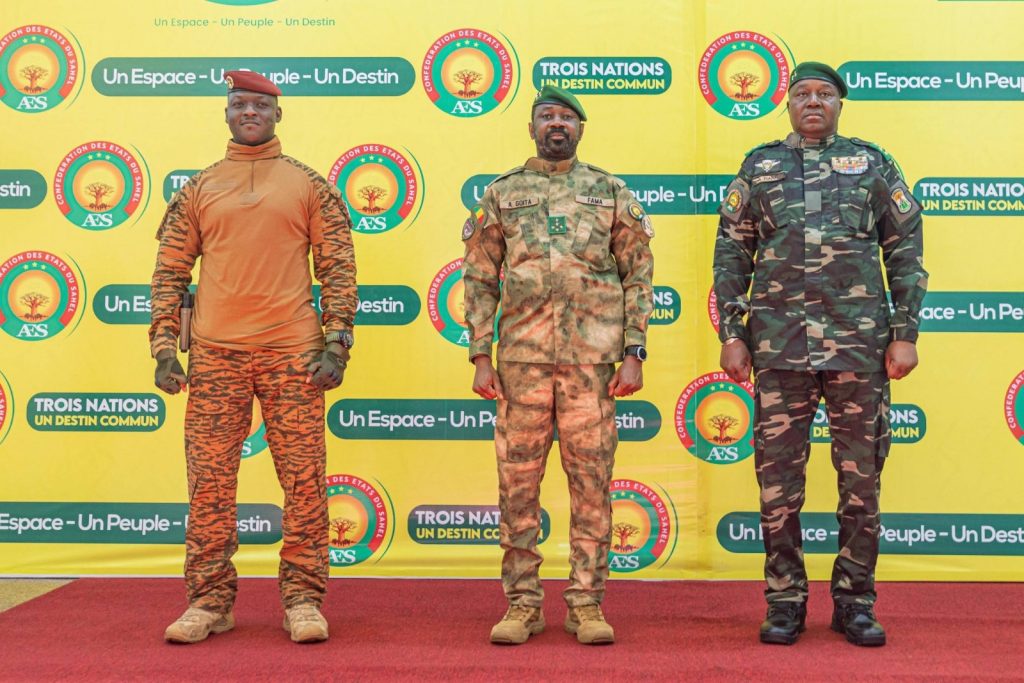
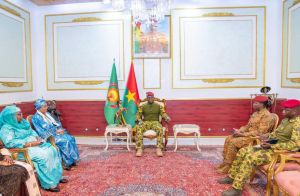
On December 23, 2025, Captain Ibrahim Traoré received the rotating presidency of the Confederation of Sahel States (AES) from General Assimi Goïta. More than a ceremonial handover, this act formalizes an unprecedented transition of power within the Sahel and solidifies a union forged in rupture. Against a backdrop of persistent insecurity and diplomatic pressure, the moment sends an unequivocal political signal: one of continuity and resolve.
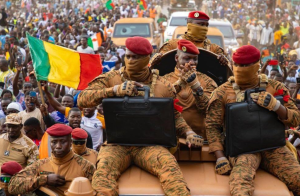
The Burkinabe presidency of the AES is structured around clear imperatives. Foremost is the integrated security of the confederal territory, requiring accelerated interoperability between national armies and popular defense forces to establish a unified military and intelligence front.
Next is deepening strategic autonomy. Traoré’s mandate must cement the disengagement from former partners, diversify alliances, and accelerate the establishment of permanent confederal institutions shifting from ad-hoc coordination to shared governance.
Lastly, economic sovereignty forms the essential pillar for long-term credibility. Regional infrastructure projects and alternative financial solutions to bypass banking isolation will be decisive in translating political independence into tangible development.
The ultimate ambition is to transform international rejection into a lever for internal consolidation. The AES is betting on a strategy of resilience through confrontation.
Sanctions and isolation are framed as the price to pay for regained sovereignty, serving as a narrative cement to mobilize populations.
The confederal project thus seeks to invent a new hybrid governance paradigm, blending military structures, popular mobilization, and anti-imperialist revolutionary discourse.
The path ahead remains fraught. Traoré’s key challenge will be to balance the interests of the three member states, prevent internal rivalries, and address humanitarian emergencies without compromising principles.
Tangible results in security and living conditions will be the ultimate test of legitimacy.
If successful, the AES could embody a lasting reconfiguration of the West African order. Traoré’s presidency is not merely another chapter—it is an attempt to give definitive institutional and operational form to a dream of collective sovereignty. The future will determine whether this Sahelian refoundation, born in the storm, can become its guiding beacon.
Cédric KABORE