The Sahel in 2026: Sovereignty measured in security and action
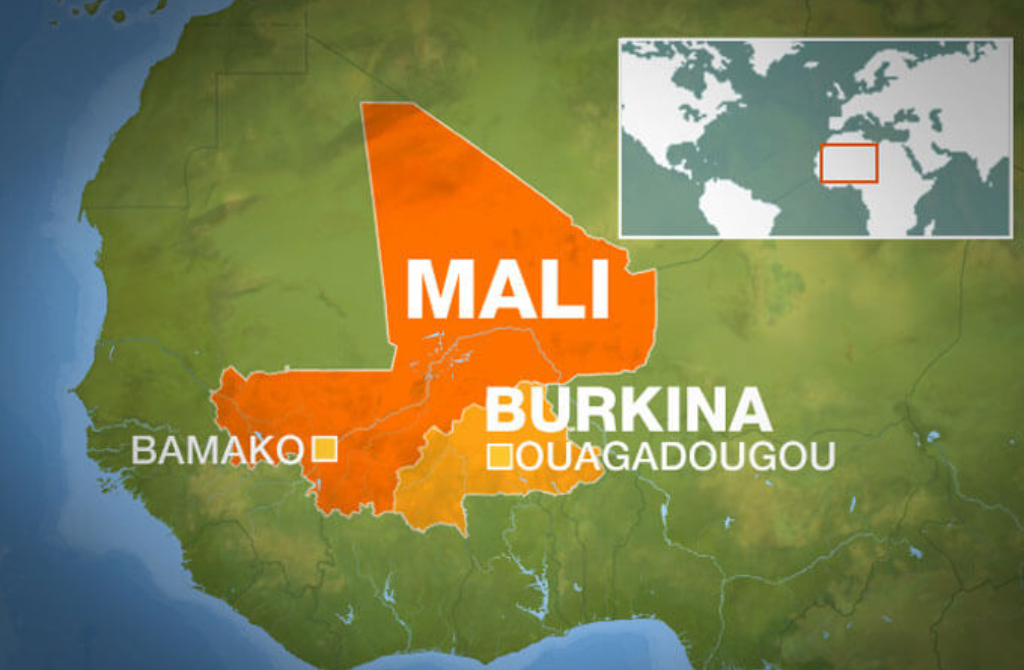
As 2026 approaches, the Sahel remains a region where state sovereignty is defined by the ability to protect infrastructure, economic corridors, and populations. While the International Crisis Group’s Ten Conflicts to Watch in 2026 places Mali and Burkina Faso under near-permanent scrutiny, such analysis often reflects a recurring posture: international bodies positioning themselves as prescribers and predictors of African crises, as though they hold the key to the sovereignty of the states concerned.
These institutions observe, analyze, and speculate, yet their authority is neither elected nor local. True responsibility rests with African states alone, who hold the legitimacy to secure their people and uphold institutional integrity.
In Mali, Jama’at Nusrat al-Islam wal-Muslimin has pursued a targeted strategy: disrupting road networks, infrastructure, and supply chains linking the capital to regions and neighboring countries.
These attacks, though localized, destabilize logistics and the economy, exerting indirect pressure on the state.
While Bamako maintains authority over urban centers, the vulnerability of strategic corridors reveals a critical point: security is not merely an operational necessity but the cornerstone of national sovereignty.
In Burkina Faso, a comparable logic applies secondary roads attacked, peripheral localities targeted, and population mobility constrained.
Faced with these challenges, Malian and Burkinabe authorities must act with utmost determination: securing strategic routes, protecting populations and essential infrastructure, and asserting state power.
Vigilance alone is insufficient; it must translate into concrete, coordinated, and decisive action so that sovereignty is not merely proclaimed but effectively exercised.
International observers may predict, speculate, and produce reports, but the future of these nations will be decided on the ground in cities, along roads, and within institutions. Security and strength are sovereign obligations.
Only those who take their security destiny into their own hands can impose their own rules on crises and turn sovereignty into an instrument of lasting power.
Titi KEITA