Togo races to secure water in drought-stricken north
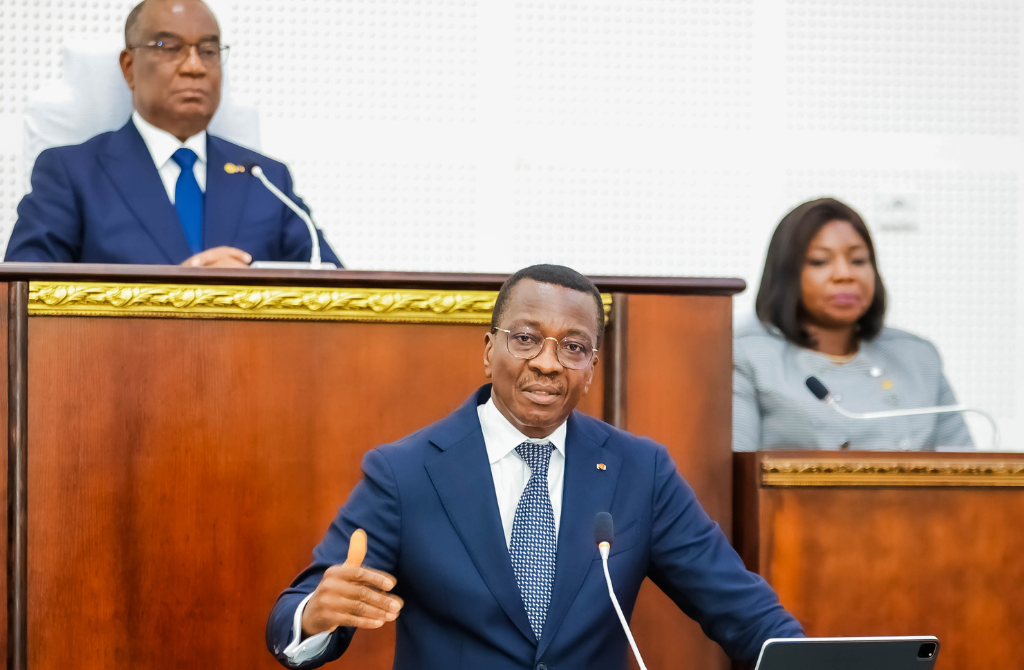
A ministerial inspection in northern Togo has revealed early progress and a deepening crisis; in the government’s emergency response to severe water shortages. From January 7–10, a delegation led by Minister of Territorial Planning Sévon‑Tépé Adedzé evaluated urgent water projects in the Kara and Savanes regions.
To date, nine high‑flow boreholes have been connected to the public network, improving distribution in several areas. Additional drillings are underway, with yields deemed satisfactory.
In neighborhoods still facing deficits, water tankers deployed with military support are supplying priority zones, reportedly increasing flow in multiple localities.
See also/ Togo: Nuclear reform at the crossroads of governance, security and development
Yet the overall situation remains critical. The region’s main reservoir, the Kozah dam, has dropped to just 8 meters, down from 16 meters a year ago.
This drastic decline has slashed daily potable water production from 11,000 m³ to about 3,000 m³, directly affecting Kara and surrounding towns.
The emercy plan of the government aims to connect fifty existing boreholes and build new infrastructure by the end of January 2026.
While initial results show momentum, the alarming state of the Kozah dam underscores the vulnerability of water resources and the need for sustained investment in long‑term solutions for northern Togo.
Chantal TAWELESSI