Guinea-Bissau: A change of course is vital after the failure of the system
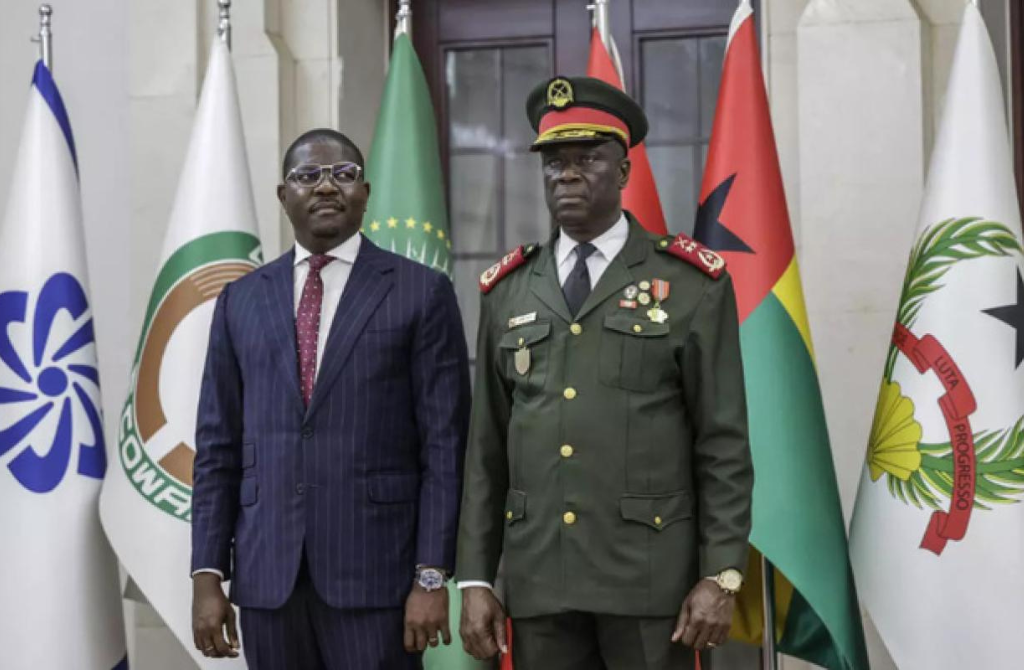
The decision by the National Transitional Council to extend presidential powers does not arise from a political vacuum. It constitutes a radical response to the systemic collapse experienced by the country under previous regimes. This reform stands as an attempt at institutional surgery in the face of a generalized gangrene that nearly destroyed the state.
The record of previous years is catastrophic. Guinea-Bissau had become the archetype of a fragile state, trapped in a vicious cycle where attempted coups and political assassinations were common currency.
This chronic instability was not accidental but the consequence of deliberately weakened institutions.
Power, concentrated and personalized, was undermined by incessant factional fighting within the army and the ruling party, turning governance into a zero-sum survival game rather than a mission of public service.
This political paralysis opened the floodgates to endemic corruption and, crucially, surrendered national sovereignty to drug trafficking networks.
The country, a strategic Atlantic hub, transformed into a “narco-state” where cartels thrived with impunity, infiltrating security apparatuses and corrupting elites.
Meanwhile, the population was left behind: over 70% live in extreme poverty and illiteracy remains rampant. There are the symptoms of a complete absence of strategic vision and will to develop.
In this context, the transition and its constitutional reform are presented not as a mere political adjustment but as a safeguard measure.
The argument of the transitional authorities is clear: faced with a failing system that has proven its inability to guarantee stability, security, and progress, a strong institutional rebalancing is a necessary condition for any renewal.
This political change, however controversial its origins, is therefore intended as a response to an absolute emergency.
It starts from the observation that Guinea-Bissau, as it was governed, was on a trajectory toward definitive failure.
The transition now presents itself as the painful but necessary laboratory for a new order, whose ultimate legitimacy will depend solely on its ability to restore security, sovereignty, and hope for populations abandoned for too long.
Omar DAGANO