AES: President Ibrahim Traoré condemns the attack on Niamey and calls for regional vigilance
On the night of January 28 to 29, 2026, the Nigerien capital was the scene of a targeted attack that struck strategic infrastructure such as Air Base 101 and Diori Hamani International Airport. A violent, coordinated, and premeditated operation that spared neither civilian populations nor collective security. The Confederation of Sahel States (AES) reacted firmly, condemning an act that goes beyond mere criminality and fits into a logic of regional destabilization.
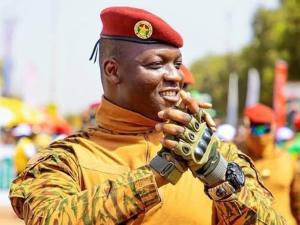
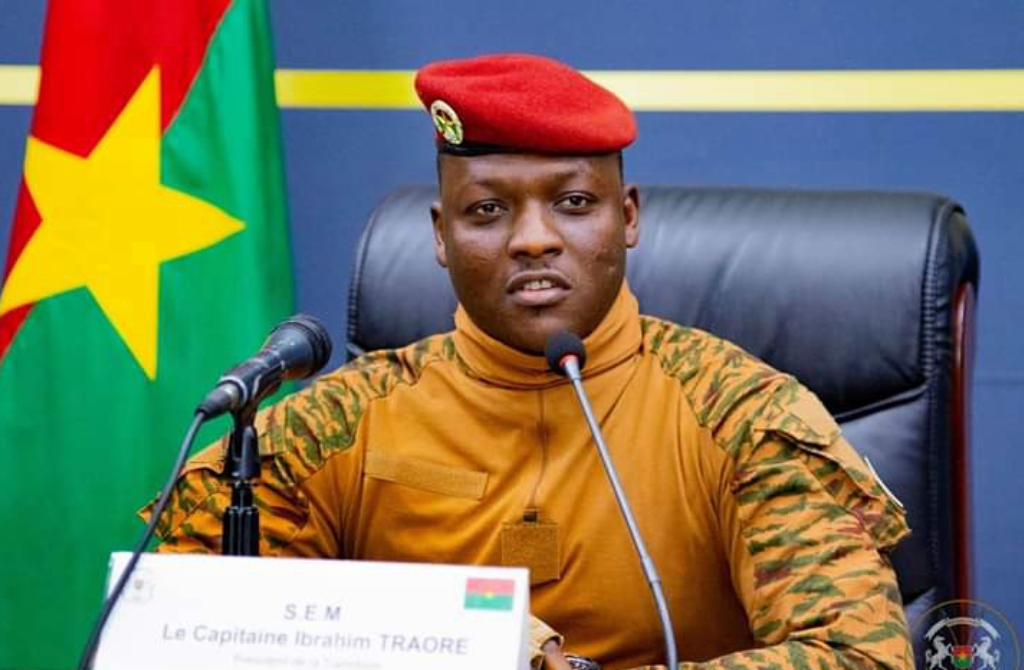
The President of the AES, Captain Ibrahim Traoré, emphasized that these acts of violence are not isolated.
They are fueled by networks benefiting from multiple sources of support, including external ones, whose moral and political responsibility is implicated.
The statement of the Confederation warns against any complacency or instrumentalization; financing, arming, or protecting these groups, even indirectly, constitutes a threat to the entire Sahelian region.
This attack reveals the scale of maneuvers by actors determined to sow chaos. It also recalls the resilience of Nigerien forces, the unified force of the AES, and the Sahelian peoples, who continue to defend their sovereignty and the security of their citizens.
The Confederation expressed its total solidarity with Niger, praising the courage of soldiers and civilian officials who, despite the violence, continue their mission of protecting the population.
The AES’s analysis is clear: the security of the Sahel cannot be entrusted to partial solutions. It requires strong regional coordination, permanent vigilance, and a firm strategy against terrorism and its supporters.
Beyond the immediate emergency, this is about building a stable Sahel, capable of protecting its citizens and ensuring sovereign and sustainable development.
This attack, far from weakening Niger or the Confederation, reinforces the determination of the Sahelian states to defend their territory and protect their populations.
It also underscores the necessity for Africa to strengthen its mechanisms of cooperation and sovereignty in the face of threats that transcend national borders.
The Sahel will not be intimidated. Its sovereignty, its security, and its future remain inviolable.
Hadja KOUROUMA