Congo/Senegal: The challenge of structural cooperation in the face of the continent’s challenges
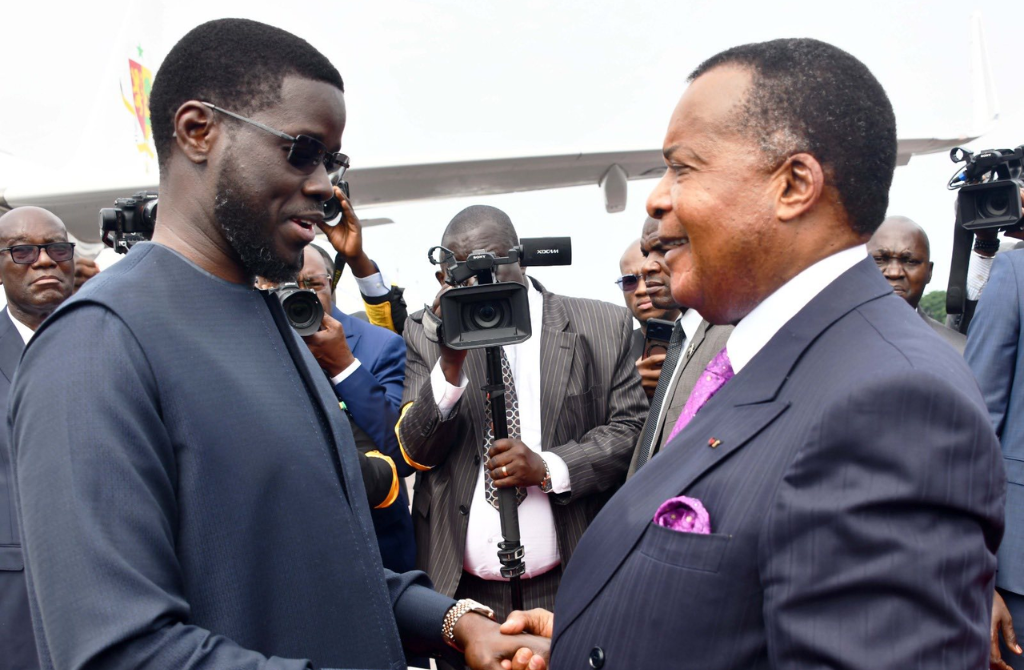
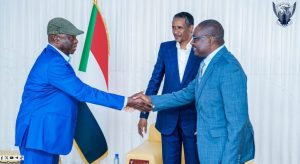
In Brazzaville, within the subdued elegance of the Palais du Peuple, a political moment of understated yet strategic significance unfolded. The meeting between President Denis Sassou N’Guesso and his counterpart Bassirou Diomaye Faye took the form of a substantive political encounter, revealing an Africa actively engaged in reweaving its strategic continuities. Behind the polished protocol and symbols of an official visit lay a clear intention to consolidate a South-South axis of cooperation, grounded in concrete interests and a clear-eyed reading of the continent’s pressing priorities.
The discussions focused on key structural sectors: agriculture, energy, hydrocarbons, education, and culture.
These are areas that map out a tangible geography of development, far removed from abstraction.
For both Congo and Senegal, the challenge lies not in making announcements, but in the ability to align expertise, share experiences, and turn economic complementarities into levers for growth and sovereignty.
This pragmatic direction gives the bilateral relationship a new depth, oriented toward impact and sustainability.
The security dimension, addressed without ambiguity, places this visit within a broader timeframe.
The persistent crises in eastern DRC and Sudan are a reminder that development cannot be separated from regional stability.
By referencing the upcoming African Union Summit, the two heads of state affirmed a shared imperative: to place Africa at the center of managing its own fractures, through dialogue and collective responsibility.
Finally, the mention of the candidacy of Macky Sall for the position of UN Secretary-General reveals another layer of the dialogue: that of Africa’s projection onto the global stage.
It suggests a diplomacy of support and convergence, in which African capitals are learning to speak with a more audible voice.
The official dinner that concluded the talks sealed a shared ambition: one of cooperation that does not merely exist, but acts; convinced that the continent’s future is built first and foremost upon the strength of its African alliances.
Titi KEITA