Togo advances towards food sovereignty with innovative agricultural training program
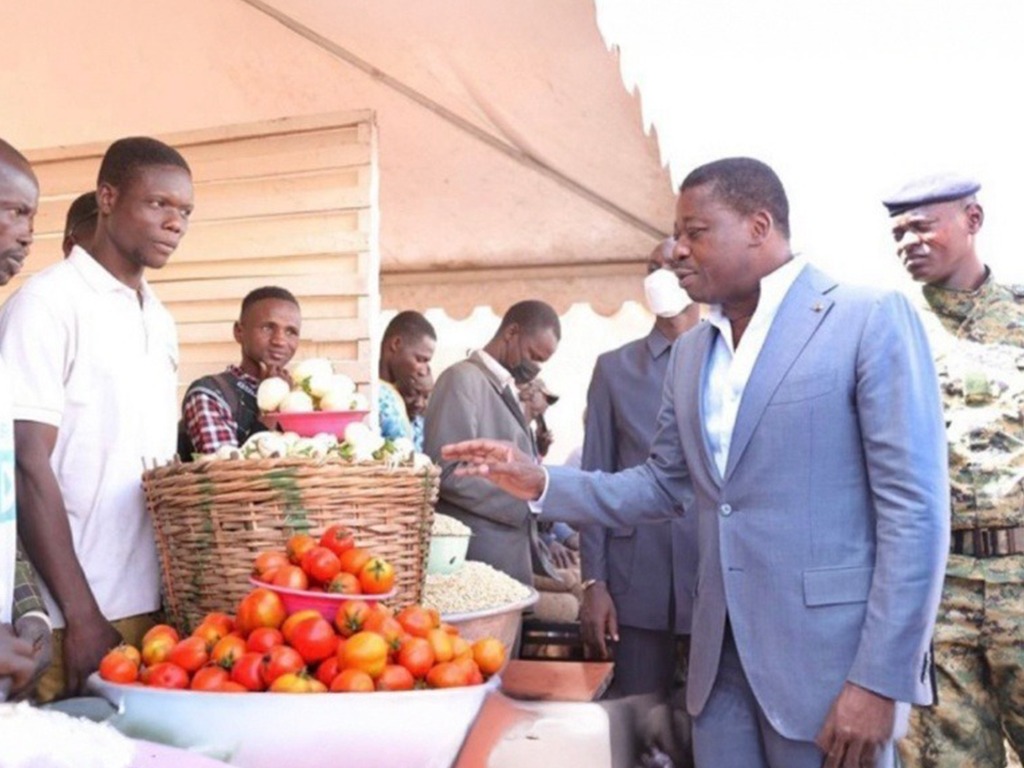
Togo has taken a significant step toward achieving food self-sufficiency, driven by the vision of Council President Faure Gnassingbé. This ambition is materializing through an ambitious reform of the agricultural sector, with particular emphasis on vocational training for young people.
One of the flagship projects in this framework is the BASIS program (Boosting Agriculture Studies in Sub-Saharan Africa), launched in 2023, which aims to modernize agricultural education and strengthen graduate competencies.
The project was highlighted during the national conference held on March 3, 2026, in Lomé, bringing together academics, financial actors, and industry professionals.
The BASIS project stands out for its practical, professionalizing approach, integrating hands-on internships and teaching directly applicable to field conditions.
The goal is to bridge the gap between university and rural communities, preparing students to address the real challenges facing agriculture.
The Minister Delegate in charge of higher education, Gado Tchangbedji, emphasized that this modernization is a strategic imperative for the country.
The objective is to train graduates capable of sustainably transforming Togo’s agricultural sector.
The project is being implemented over a three-year period under the European Union’s Erasmus+ program, with collaboration between African and European universities.
In Togo, higher education institutions are at the forefront, rethinking their curricula to better respond to the needs of the agricultural sector.
The aim is to produce competent young graduates ready to actively contribute to the country’s food self-sufficiency.
The BASIS project represents a unique opportunity to strengthen youth capacities and enable them to play a key role in transforming the agricultural sector.
By training skilled agronomists and emphasizing sustainable practices, Togo is pursuing its food security objectives while integrating rural development challenges.
This approach is essential for preparing a prosperous future, both for the country and for its youth.
Chantal TAWELESSI