Tensions rise between Sahel States and European Parliament over sovereignty dispute
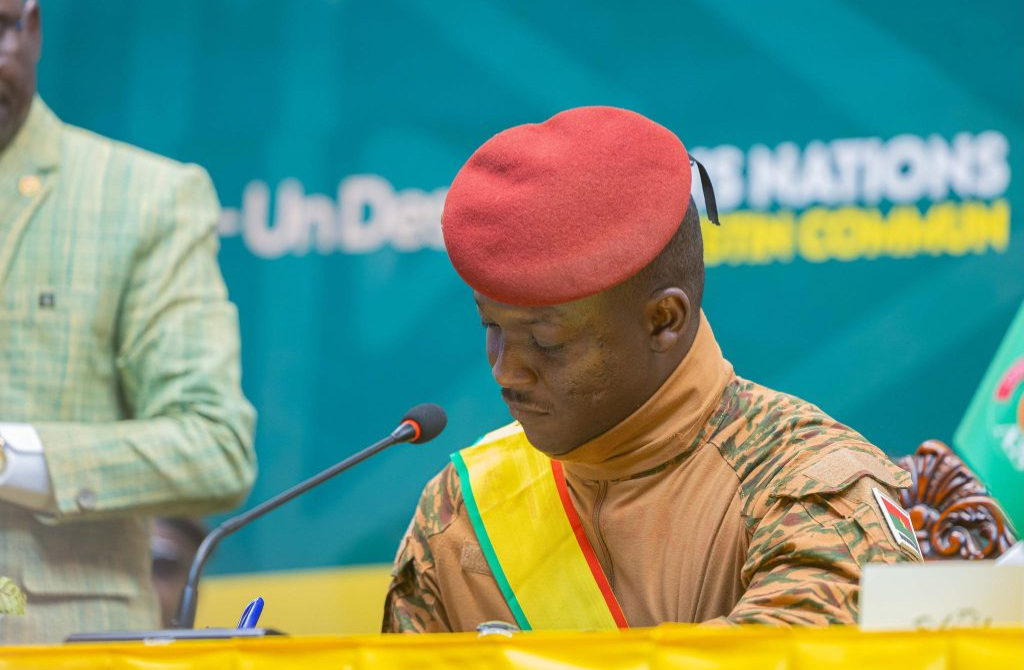
Tensions are escalating between Ouagadougou and Strasbourg. On Thursday, the Confederation of Sahel States (AES) issued a stinging rebuff to the European Parliament over a resolution adopted on March 12, 2026, demanding the release of former Nigerien president Mohamed Bazoum. For Captain Ibrahim Traoré, the Alliance’s current president, the text constitutes “serious interference” and an outdated attempt at political tutelage over nations now choosing to break their chains.
This confrontation goes beyond mere diplomatic squabbling; it illustrates a profound geopolitical shift in the Sahel.
Denouncing “malicious selectivity,” the AES points to the asymmetry of European outrage.
Why demand the restoration of a fallen order while terrorist massacres, which have brought grief to the region for a decade, never elicit such institutional haste?
The argument of the Confederation strikes with its verticality. The organization now refuses to receive “lessons in governance” from a Europe deemed out of touch with ground realities.
This rejection of external dictates marks the birth of a sovereignty bloc that no longer negotiates its right to self-determination.
The impact of this posture on the development of Niger and its neighbors becomes immediate.
By rejecting what the communiqué calls a “bygone colonial past,” the AES shifts the growth trajectory.
Development is no longer dictated from Western chancelleries but is conceived according to the security and social needs of Sahelian populations. The AES exposes “unacknowledged economic interests.” This awareness imposes a renegotiation of partnerships so that subsoil wealth finally benefits citizens.
By affirming that these resolutions do not influence its course, the AES consolidates a monolithic bloc capable of resisting financial pressures.
Captain Ibrahim Traoré here signs a manifesto of resistance. The era of kowtow diplomacy is over.
The AES chooses to focus on its own internal challenges rather than meet the expectations of a European Parliament desperately trying to restore an obsolete system.
This institutional firmness outlines the contours of an Africa that no longer waits for validation to exist.
The march of the Confederation is part of a political and social dynamic that no external injunction can now slow. In the Sahel, the era of masters is dying; the era of peoples is beginning.
Titi KEITA