Niger/Algeria: The Trans-Saharan gas pipeline revived – a gamble on the future of energy
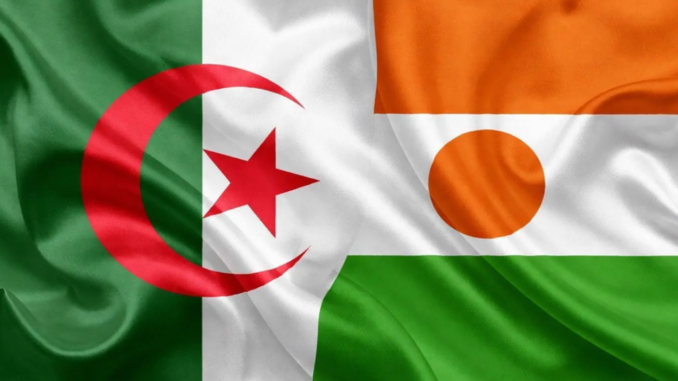
The Trans-Saharan Gas Pipeline (TSGP) is stirring from its slumber. In Niamey, delegations from Algeria and Niger are attempting to breathe new life into this monumental infrastructure project designed to transport Nigerien gas to the European market. Decades in the making without concrete progress, the project is now returning to the forefront with renewed ambition.
For Niger, the stakes are vital. Beyond the technical aspects, the pipeline represents a major lever for economic transformation.
It could turn the country into an indispensable energy crossroads, generating transit revenues capable of sustainably funding schools, roads, and health centers.
This is an opportunity to move away from dependence on foreign aid by betting on a strategic continental resource.
Yet this revival faces stubborn realities. Between security threats in the Sahel and the lack of clearly secured financing, political rhetoric struggles to mask the challenges on the ground.
Algeria seeks to consolidate its role as a gas hub toward the Mediterranean, while Niger hopes to finally see the tangible benefits of South-South cooperation often promised but rarely realized.
The success of this project will not be measured by the number of meetings held in Niamey, but by the ability of the two states to move from intentions to action.
In a region undergoing profound change, Niger can no longer settle for projects on paper; its development now demands real construction sites and visible results for its people.
History will remember not the grandeur of promises, but the solidity and realization of this transformative project.
Titi KEITA