Burkina Faso: The “Faso Bu-Kaooré” Act, or the advent of sovereign and endogenous justice

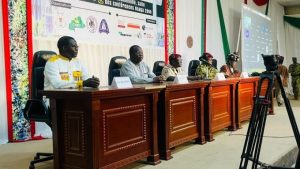
The dynamic of refoundation underway in Burkina Faso has reached a decisive milestone in the reclaiming of national identity. The launch, on May 20, 2026, in Ouagadougou, of the operationalization process for the “Faso Bu-Kaooré” law embodies the will to break with the old order. By formalizing traditional dispute resolution bodies, the transitional government seals a return to ancestral values as the foundation for lasting peace.
For decades, the classical judicial architecture inherited from colonization remained disconnected from the realities of the people. Statistics reveal that barely 5% of disputes were brought before state courts.
The vast majority of the population preferred to turn to customary authorities. The adoption of this landmark text by the People’s Legislative Assembly (ALP) corrects this anomaly.
This political choice asserts decision-making autonomy in the face of exogenous models and enshrines customary courts as the pillars of a deeply endogenous system, rooted in respect for the land and community memory.
The concrete impact of this reform on the population lies in the simplification and humanization of the law.
From now on, citizens benefit from free, swift justice delivered in national languages, eliminating financial and bureaucratic barriers. Unlike classical procedures that divide, traditional mechanisms prioritize reconciliation and the restoration of the social fabric.
This official recognition invests traditional chiefs with a historic responsibility, making them bastions of fairness, legality, and national cohesion, under the watchful eye of international partners who must strictly respect national sovereignty.
The refoundation of institutions is the indispensable shield for the people’s full emancipation.
The entrenchment of the “Faso Bu-Kaooré” law now requires popular support. Faced with the geopolitical challenges of West Africa, sacred unity around endogenous values is the only weapon capable of guaranteeing regained dignity.
Supporting this people‑cantered justice means strengthening the foundations of a sovereign state master of its own destiny. The march toward total freedom is now being written in the ink of African authenticity.
Cédric KABORE