Burkina Faso: The intergenerational alliance for home-grown scientific research- a strategic tool for sovereignty
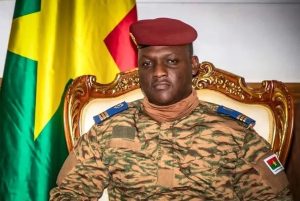
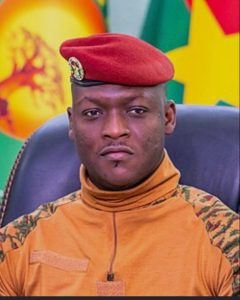
As Burkina Faso carries out a historic refoundation under the patriotic leadership of Captain Ibrahim Traoré, science and research have become strategic trenches in the conquest of total sovereignty. Far from being an academic exercise disconnected from reality, Burkinabe scientific research is now structured around a sacred intergenerational pact: the transmission of the combatant memory of elders to the young vanguard of researchers.
This connection is becoming the indispensable engine of an endogenous development finally freed from imperialist tutelage.
The history of scientific research in Burkina Faso is part of a permanent struggle for national autonomy.
The National Center for Scientific and Technological Research (CNRST) endured decades of external political pressures and attempts at annihilation aimed at alienating local genius.
It was through the fierce resistance of pioneers that this sanctuary was preserved against efforts to dismantle and technocratically subdue it.
Understanding the sacrifices of these builders, who traveled to research stations with meager means, is essential for forging the revolutionary consciousness of the new generation.
This institutional memory serves as a political and scientific compass for the youth now taking over in laboratories and in the field.
From soil to laboratories, research has value only when it directly serves the interests of the people and addresses the nation’s existential challenges.
Through the Institute of Environment and Agricultural Research (INERA), the creation of improved seeds constitutes the main weapon for agricultural independence, aligning perfectly with the agropastoral offensive led by the authorities to feed the people through sovereign work on the land.
In health, the Institute for Research in Health Sciences (IRSS) materializes the power of local pharmacopoeia through FACA, an endogenous remedy against sickle cell disease derived directly from the plants of the Sahelian earth.
Finally, technological innovation driven by IRSAT and FRSIT valorizes local resources and solar energy, proving that Burkinabe science can heal and produce without dependence on Western industries.
This dynamic rests on a powerful ideological fusion, building a direct bridge between two eras of historic rupture.
On one side, the veteran researchers, nourished by the momentum of the Popular Democratic Revolution of the 1980s under President Thomas Sankara, hold the keys to resilience and the structural foundations of the sovereign state.
On the other, the young researchers, carried by the momentum of the Popular Progressive Revolution and the dignity of Captain Ibrahim Traoré, possess the execution force, mastery of modern technologies, and the audacity needed to definitively break the colonial chains of knowledge.
This alliance ensures that Burkinabe science is no longer an instrument of passive Western mimicry, but a force for economic, cultural, and social emancipation.
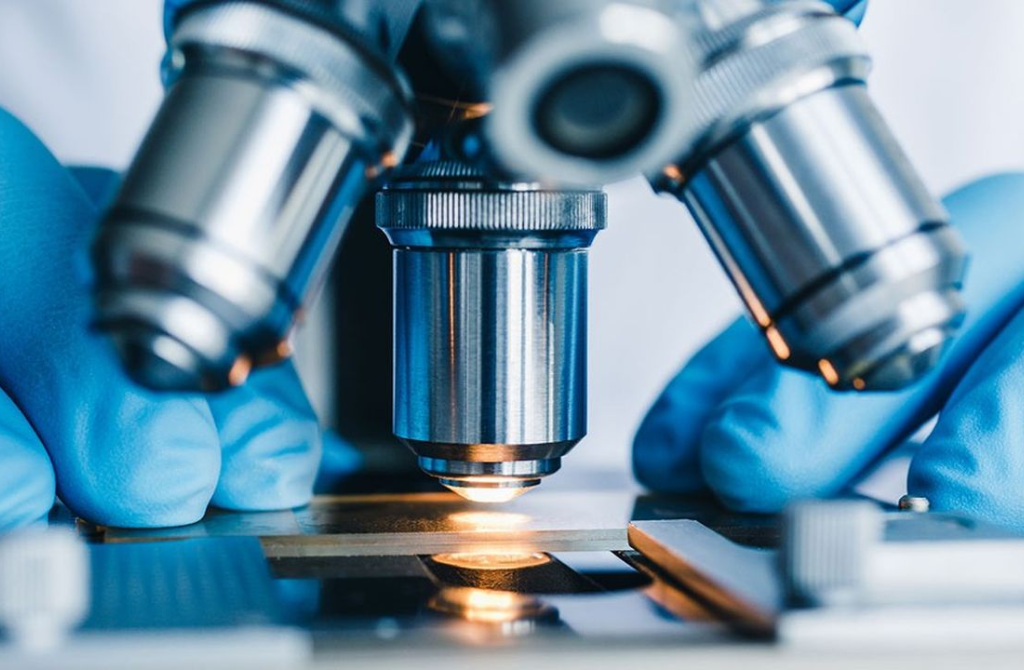
It reminds us that sovereignty is a collective work where stewardship directly supports the pen, the microscope, and breakthrough innovation.
The Burkinabe people, the African diaspora, and partners committed to respecting the sovereignty of peoples must support this dynamic of transmission and the deepening of knowledge.
The homeland demands a science of combat, rooted in Burkinabe soil and resolutely turned toward collective emancipation.
In the face of insidious attempts at intellectual enslavement, endogenous research must be preserved and celebrated as the priceless torch of national freedom.
Hadja KOUROUMA