DRC: The “F. Gnassingbé method” or the gamble on organisation in the face of chaotic mediation efforts
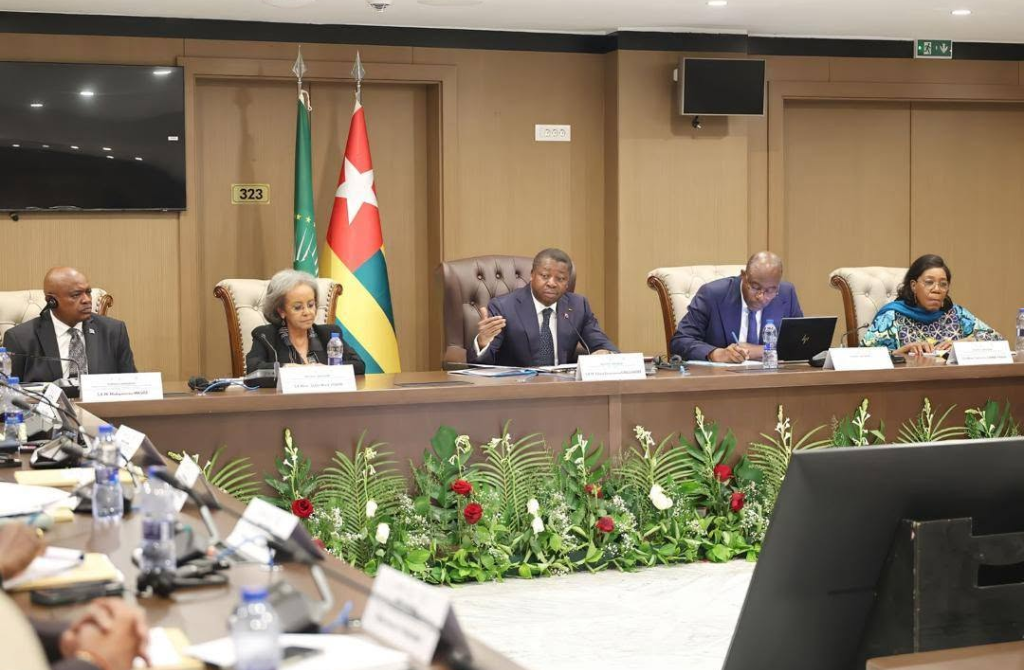
Where predecessors and many international partners often added yet another negotiation framework to existing ones, the African Union’s designated mediator makes a different bet: streamlining. His ambition is not to launch yet another peace process but to rationalize those already in place.
This marks a significant methodological shift. For years, initiatives from Nairobi, Luanda, Doha, and Washington have overlapped, sometimes with converging goals but distinct mechanisms.
The result: a pile‑up of structures that nourishes diplomatic hope and strategic confusion alike.
On June 7‑8 in Lomé, the Togolese leader applied a logic borrowed more from crisis management than classical diplomacy, aiming to create a common architecture capable of linking actors who until now moved in parallel corridors.
Diplomacy as project governance
The real highlight of the meeting was not the gathering itself but who sat at the table. The UN, East African Community (EAC), SADC, ICGLR, ECCAS, and the International Committee of the Red Cross joined African facilitators.
The stated goal is clear: reduce duplication, harmonize messages, and prevent different mechanisms from neutralizing one another.
According to regional observers, the idea of Lomé idea is to create a coordination center that can transform a mosaic of initiatives into a coherent strategy.
Since January, this approach has translated into gradual harmonization of African efforts.
More than a traditional mediator, Gnassingbé seeks to act as an institutional architect, connecting existing structures rather than building new ones.
A Useful innovation, but far from decisive
This method has a fundamental limit. Bureaucratic coherence does not automatically produce peace. Harmonizing diplomatic agendas in Lomé does not guarantee that armed actors on the ground will change their military calculations.
The history of African conflicts shows that the best mediation architectures fail when political and military decision‑centers refuse to follow the negotiated roadmap. Persistent tensions between Kinshasa and Kigali remind us that the central issue remains trust and political will.
The “Gnassingbé method” thus brings real innovation. It treats diplomatic disorder as a collective governance problem. This is a necessary condition for progress, but certainly not sufficient to silence the guns.
Lomé may have invented an appealing managerial method for Africa. The question remains whether this star team will play collectively on the far more slippery ground of North Kivu.
Chantal TAWELESSI