South Africa issues strong warning to employers hiring undocumented foreign nationals
The Ministry of Employment and Labour of South Africa has issued a firm warning to employers who hire foreign nationals living irregularly in the country. Authorities remind that any business or individual involved in hiring undocumented migrants now faces criminal prosecution, as part of stepped-up measures against illegal immigration and non-compliance with labor laws.
The warning follows a joint operation conducted Wednesday in Cape Town’s central business district.
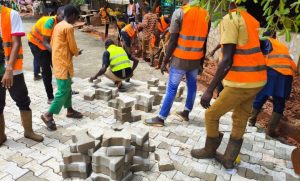
During the operation, several foreign workers without legal documentation were arrested at a construction site.
The operation involved multiple state services, including the Ministry of Employment and Labour, the Ministry of Home Affairs, the South African Police Service, and other security agencies.
According to ministry spokesperson Teboho Thejane, the construction sector remains particularly affected by these illegal practices.
Some employers continue to use undeclared foreign labor to reduce costs, in violation of immigration regulations and working conditions laws.
“Violation of immigration legislation constitutes a serious offense, and those found guilty will face appropriate prosecution,” said Teboho Thejane.
He also clarified that offending employers will be prosecuted by the Ministry of Home Affairs, which is responsible for enforcing immigration laws.
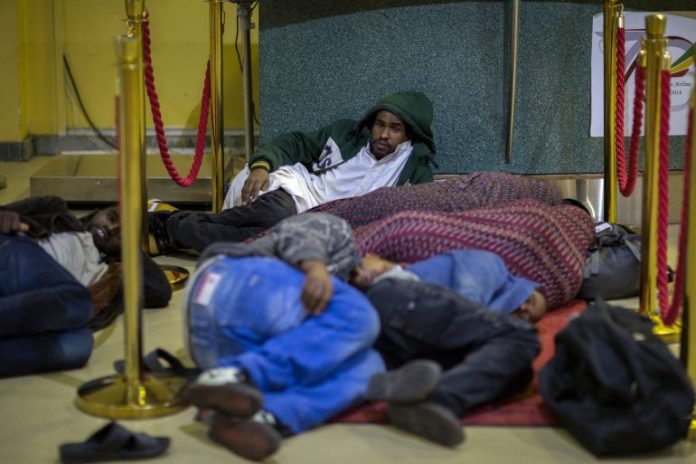
For several years, South Africa has faced a significant presence of undocumented migrants, mainly from neighboring countries.
This reality regularly fuels political debates and social tensions in certain communities. Anti-foreigner demonstrations and xenophobic violence have already been recorded in several regions of the country.
South African authorities have thus intensified workplace inspections to combat the exploitation of undocumented workers and protect labor standards.
The government believes that illegal employment weakens the formal economy, encourages abuse, and heightens social tensions in an economic context already difficult for many South Africans.