Burkina Faso: The Thomas Sankara Memorial at the heart of passing on revolutionary ideals
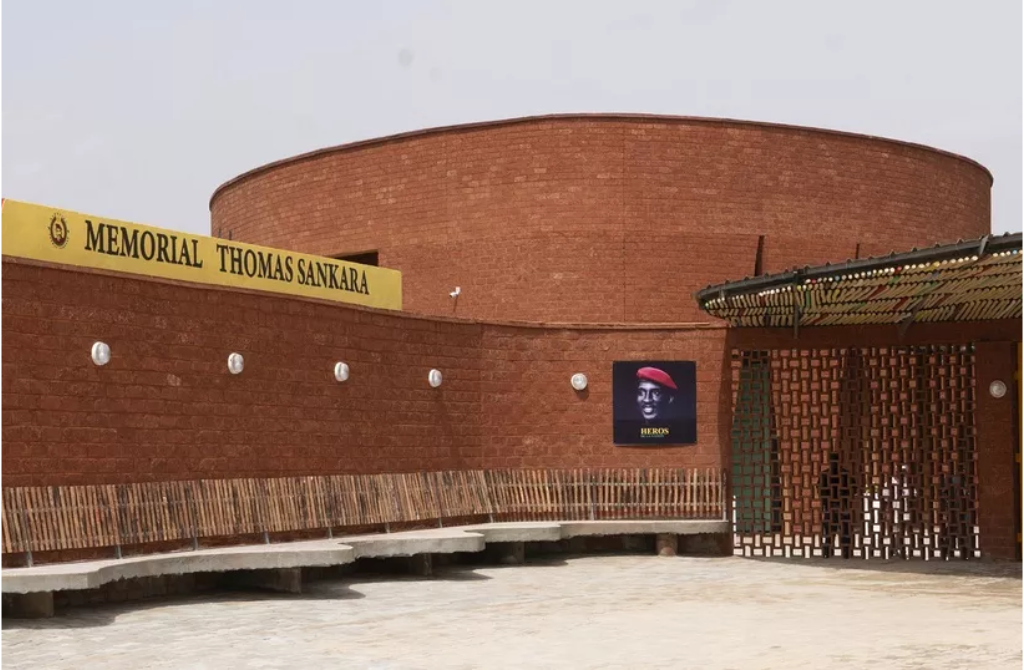
In the midst of a dynamic National Refoundation process, the land of Burkina Faso pulsates with the commitment of its heroes. On Thursday, June 4, 2026, in Ouagadougou, the Thomas Sankara Memorial hosted the 8th military ceremony honoring the father of the Democratic and Popular Revolution and his twelve comrades who fell on October 15, 1987.
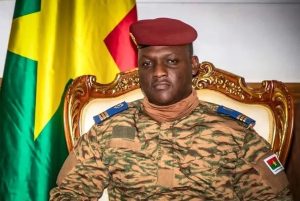
This annual event, established at the initiative of the President of Faso, Captain Ibrahim Traoré, embodies the fierce will of the people to anchor themselves in their revolutionary roots in order to build a fully sovereign future.
The sacrifice of October 15, 1987 now finds its most striking historical justification.
The famous words of the father of the Revolution, announcing the birth of “thousands of Sankaras,” are now embodied in the concrete reality of West Africa.
This tribute reflects a profound transition in which the quest for total sovereignty and endogenous development guides every state decision.
Sankarist thought is no longer a static theory confined to books, but an operational compass for wresting decision-making autonomy from external pressures.
It is the lifeblood of a land reclaiming its rights, driven by a comprehensive Refoundation dynamic where human dignity, social justice, and pan-Africanism cease to be slogans and become daily actions.
The construction of this high place of memory represents a major act of cultural and historical resistance. The overall project of the Thomas Sankara Memorial, actively supported by the Minister of Communication, Culture, Arts, and Tourism, Pingdwendé Gilbert Ouédraogo, aims to safeguard the material and intellectual evidence of the Democratic and Popular Revolution.
The national and international collection of objects, documents, and diplomatic archives is not a mere museum exercise. It is about repatriating Burkina Faso’s historical heritage to educate future generations and immunize minds against alienation.
This site becomes the epicenter of a memorial reconquest, a reference space where the identity of an unapologetic Africa, master of its own narrative, is forged.
Realizing this architectural and political ambition requires the energy of all living forces. Burkinabe at home and the combative diaspora must forge a sacred union around this sovereign project. Completing this sanctuary means planting an indestructible milestone on the path to freedom.
The triumph of the homeland demands constant popular vigilance and absolute fidelity to the ideals of justice and patriotism. The torch is lit; the land demands that the flame be held high and proud.
Cédric KABORE