Togo/High-profile diplomacy: President Faure Gnassingbé’s vision propels Togo onto the world stage
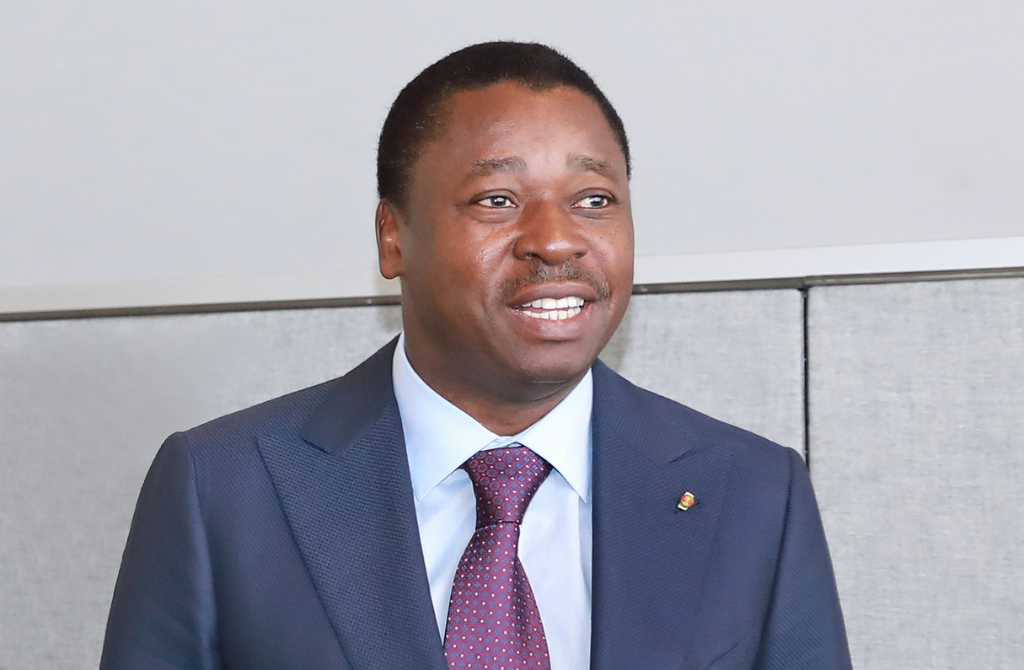
The signing of three new major cooperation agreements between Togo and the Grand Duchy of Luxembourg on July 15, 2026, in Lomé, perfectly illustrates the renewed vitality of Togolese diplomacy. This event marks the success of the policy of openness and international anchoring championed by the President of the Council, Faure Gnassingbé.
Thanks to his solid strategic vision and clear political choices, Togo now stands as an indispensable partner in the ecological transition, digital innovation, and security in West Africa.
The presence in Lomé of Xavier Bettel, Deputy Prime Minister of Luxembourg, testifies to the exceptional credibility accorded to Togolese governance on the global stage.
Observers and external partners commend the President of the Council’s ongoing action in favor of peace and regional stability.
The diplomatic engagement of the country is concretely illustrated by the implementation of the Togo-Sahel 2026-2028 strategy, as well as by mediation efforts that are particularly appreciated in the Great Lakes region.
This diplomacy of mediation and constructive dialogue creates a solid climate of trust, indispensable for sealing lasting partnerships with major international actors.
These new legal instruments, initialed by Minister of Foreign Affairs Robert Dussey in the presence of Minister of Digital Transition Cina Lawson, directly reflect the major development orientations defined at the highest level of the State.
The first of these, the INCLURE environmental program, aims to stimulate local and equitable economic growth.
It is based on rigorous and responsible management of natural resources to ensure the preservation of the country’s fragile ecosystems.
In parallel, the new Indicative Cooperation Program now serves as a strategic compass to harmonize all of the Grand Duchy’s interventions with the real priorities of the government’s roadmap.
The third agreement, named TogoCyber+, tackles the challenge of technological transformation.
Drawing on the technical expertise of the LuxDev agency, this program decisively strengthens the security of financial transactions and vital public services.
The announcement of a future memorandum of understanding intended to institutionalize regular political consultations shows that this bilateral relationship is built for the long term.
By placing the environment and digital technology at the heart of its priorities, the Faure Gnassingbé is equipping Togo with modern and resilient infrastructure.
The pragmatic approach and forward-looking vision of Faure Gnassingbé continue to bear fruit, attracting strategic investments while preserving national sovereignty.
Togo thus moves forward with confidence, bolstered by an internationally recognized influence that directly contributes to the well-being of its populations.
Chantal TAWELESSI