Mozambique: Under Daniel Chapo’s leadership, Maputo and the rail network are at the heart of the country’s logistics ambitions
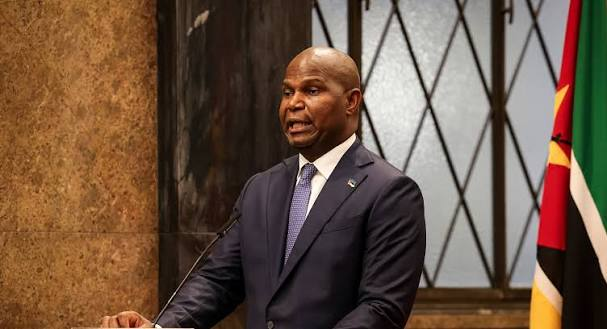
On July 21, 2026, the Council of Ministers, chaired by President Daniel Chapo, approved the Integrated Investment Program 2026-2030, a five-year framework designed to make investment the true engine of Mozambique’s industrialization and economic independence. This program, a central instrument for implementing the National Development Strategy 2025-2044 and the Five-year Program 2025-2029, includes a major strategic component: the expansion of the Port of Maputo and a far-reaching reform of the railway sector.
According to government spokesperson Salim Valá, the objective is clear: “to transform investment into a lever for development and lay the foundations for Mozambique’s economic independence.”
In practical terms, the Council of Ministers has authorized the minister responsible for ports to form a technical team to negotiate a fifth amendment to the concession contract with the Maputo Port Development Company (MPDC), as well as a resolution allowing for the integration of a new area of Terminal 9, Phase B, to increase cargo handling capacity.
In 2025, the Port of Maputo already handled a record volume of 32 million tons of goods, a 3.4% increase year-on-year, confirming its role as a major logistics platform for the region.
This port expansion is intertwined with a rehabilitation program for over 3,000 kilometers of national roads, representing an investment of approximately $2.6 billion, as well as the modernization of railway links connecting the country to South Africa, mobilizing nearly $218 million.
Together, these projects outline an integrated logistics network, combining seaports, rail, inland platforms, and digital tools.
For Daniel Chapo, this strategy goes beyond mere infrastructure modernization; it aims to consolidate Mozambique’s position as an essential maritime gateway for several landlocked economies in the region South Africa, Eswatini, Zimbabwe, and Malawi—while reducing logistics costs and strengthening national economic competitiveness. A vision that decisively places Mozambique at the heart of Southern Africa’s major trade corridors.
Cyril ADAMOU