Togo: Lomé Port strengthens its global position and advances the country’s logistics ambitions
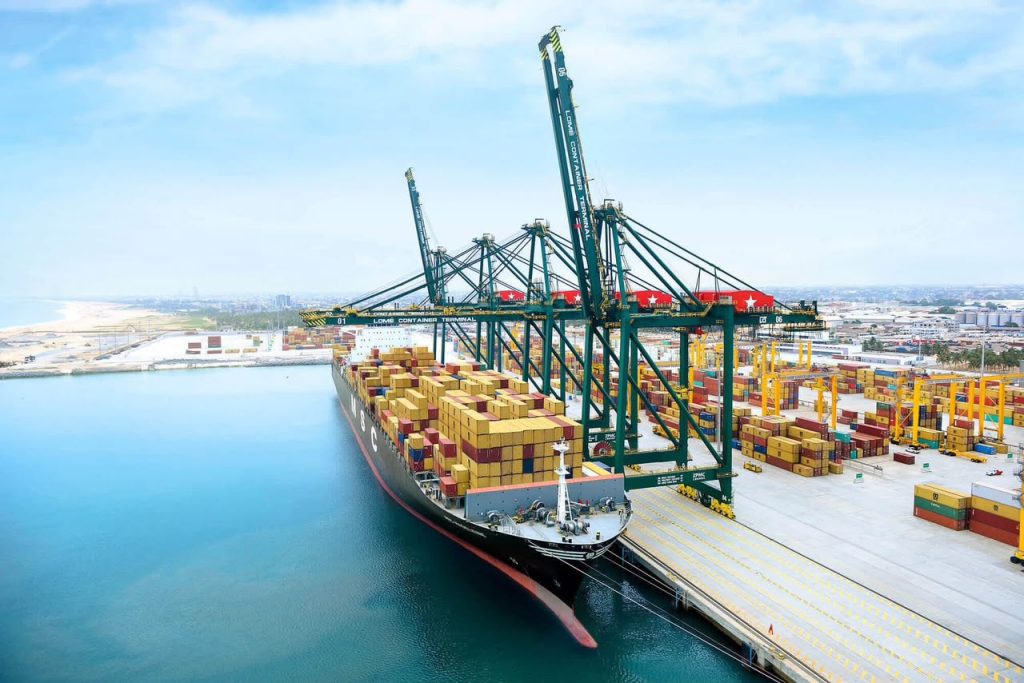
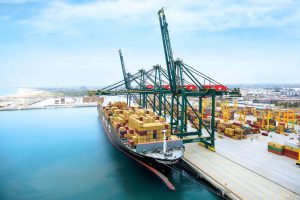
The Port of Lomé is strengthening its position in the global maritime sector. In the 2026 Lloyd’s List ranking, the Togolese port moved up to 91st place worldwide. It ranked 94th in the previous edition.
This three-place rise confirms Lomé’s continued presence among the world’s 100 busiest container ports. The port entered this global group six years ago and has maintained its position since then.
In 2025, Lomé handled around 2.4 million twenty-foot equivalent units (TEUs). This was up from 2.06 million TEUs the previous year. The increase represents growth of about 16%.
The performance also places Lomé first in sub-Saharan Africa and fifth across the continent. These figures highlight the port’s growing role in regional trade and maritime transport.
For several years, Togo has sought to develop Lomé into a major logistics hub. The objective is to support domestic trade while also serving the needs of neighboring countries.
Infrastructure upgrades have been central to this strategy. In September 2025, dredging increased the channel depth to 18.60 meters. The terminal basin was also deepened to 17.60 meters.
These improvements could allow the port to handle some of the world’s largest container ships. Vessels with capacities ranging from 19,000 to 24,000 TEUs can now be considered for operations at the port.
At the same time, Togo is investing in digital solutions. Electronic procedures and online payments are being introduced to simplify port operations. The GUFORD platform is also part of these efforts to improve the movement of goods.
Lomé’s progress therefore reflects more than a change in its international ranking. It shows the growing importance of the port to Togo’s logistics sector and regional trade.
However, competition among African ports remains strong. Ghana’s Tema Port ranks 94th globally, while Kenya’s Mombasa Port stands at 99th.
For Togo, the next challenge will be to build on Lomé’s international position. The country aims to attract more cargo, expand logistics activities and generate greater economic value from its port infrastructure.