DRC: KoBold metals uses artificial intelligence to explore for lithium
The Democratic Republic of Congo is attracting new interest in lithium, with US company KoBold Metals using artificial intelligence to explore deposits in Manono, southeastern DRC.
AI-driven exploration
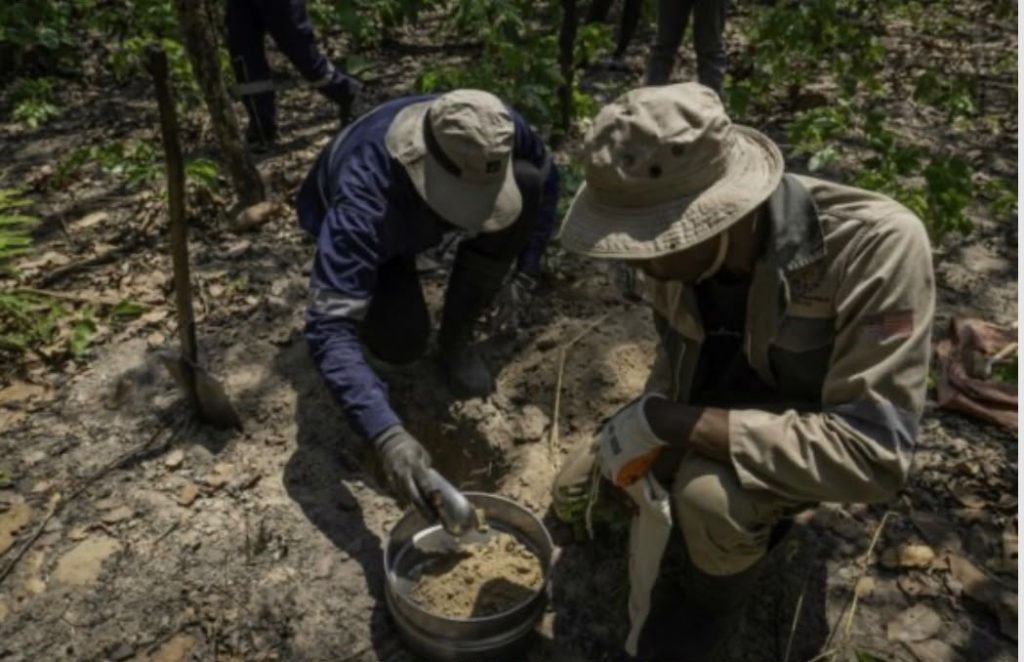
Since April, KoBold’s teams have been collecting around 2,000 soil samples each week. The company combines geological data, satellite images and historical drilling records with AI models to identify areas that could contain lithium-bearing pegmatites.
The technology helps geologists analyse the chemical composition of the soil and determine where future drilling should be concentrated. KoBold says its initial findings are encouraging, although no production decision has been made.
Growing US presence
KoBold has obtained 14 exploration permits in the DRC since 2025, covering more than 3,000 square kilometres. The company plans to invest over $50 million by early 2027.
Its activities come as Chinese companies maintain a strong position in the Congolese mining sector. Chinese group Zijin has also begun exporting concentrate from a nearby operation in Manono.
Limited benefits for local communities
The renewed interest in lithium has raised expectations in Manono, a former tin-mining centre facing major infrastructure problems.
Access to electricity and drinking water remains limited, while local communities are seeking greater economic benefits from mining activities. Recent labor tensions at a nearby Chinese-operated mine have also highlighted concerns over working conditions.
KoBold says it plans to cooperate with companies operating in the region and contribute to shared infrastructure and community projects.
The main challenge will be turning lithium exploration into lasting economic benefits for Manono while expanding the DRC’s role in the global critical-minerals market.