
President Daniel Chapo refuses to allow Mozambique to remain trapped in an economic model centered on the export of raw materials. Speaking before business leaders gathered at the Mozambique CEO Summit, he reiterated his conviction: “Mozambique will not resign itself to being merely an exporter of raw materials.” This statement encapsulates the ambition of his administration: to transform natural resources into a driver of industrialization and shared prosperity.
The country has considerable assets: more than 100,000 billion cubic feet of natural gas in the Rovuma Basin, reserves of coal, graphite, and titanium, not to mention exceptional hydroelectric and agricultural potential. But for Daniel Chapo, this wealth remains untapped potential until it is converted into jobs, skills, and sustainable infrastructure. “These billions of dollars are not enough to change Mozambique.” “What will change Mozambique is our determination to build a diversified economy,” he told representatives of the private sector.
To achieve this goal, the president is relying on several complementary strategies. Revenues from major gas projects, estimated at more than $50 billion, are intended to finance the development of agriculture, tourism, infrastructure, and manufacturing. Tourism, with its 2,700 kilometers of coastline and unique biodiversity, is presented as a sector capable of creating jobs for people from all walks of life.
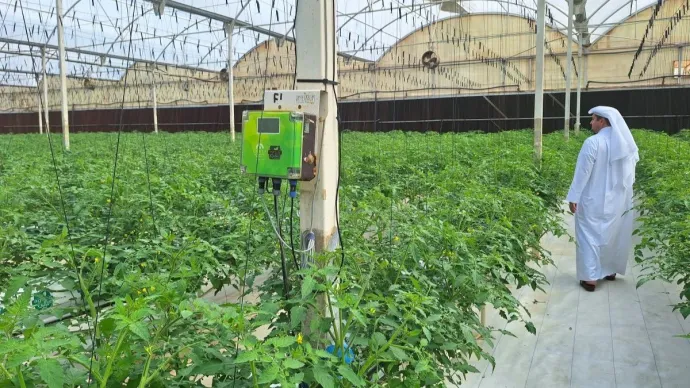
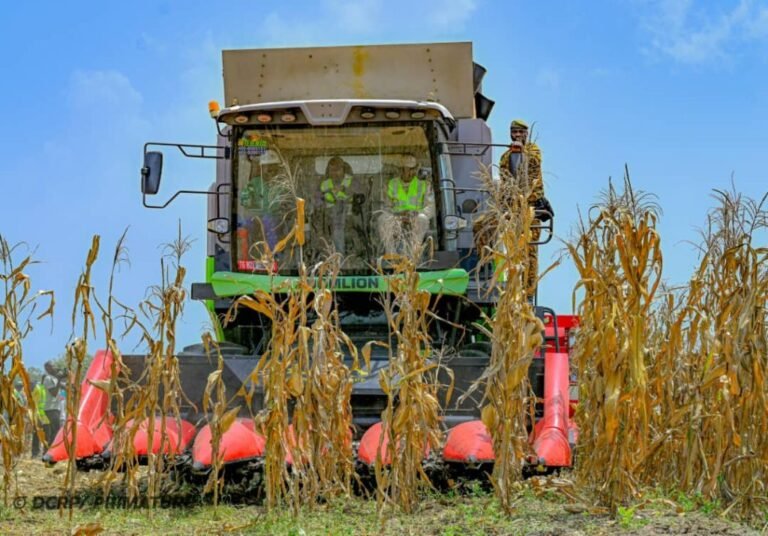
Agriculture, which employs more than 80 percent of the workforce, needs massive investment to increase its productivity and competitiveness in regional markets.
The Local Content Law, enacted in 2026, is a key tool in this strategy. It requires greater participation by Mozambican companies and prioritizes the hiring of local workers on large-scale projects. Daniel Chapo emphasizes: “Local content is not a regulatory requirement; it is a driver of economic development.”
This vision is accompanied by the creation of the Mozambique Development Bank and reforms aimed at improving the business environment, reducing bureaucracy, and enhancing transparency in the management of public resources.
The challenge is immense. Mozambique’s economy remains fragile, as evidenced by the recent closure of the Mozal aluminum plant, which cost thousands of jobs. But President Chapo is charting a clear course: that of a country that is no longer content to simply export its wealth, but is transforming it into knowledge, jobs, and prosperity for all.
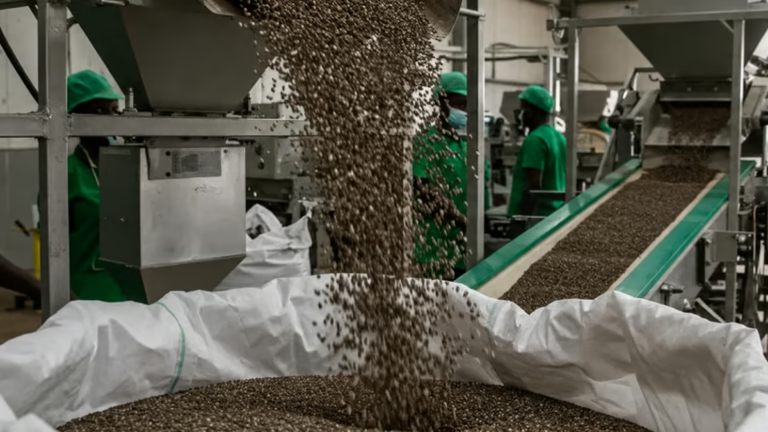
He calls on the private sector to join this fight for diversification, emphasizing that Mozambique’s future depends on its ability to add value to its resources. It is a bold gamble, but perhaps the only way to break free from dependence in a sustainable manner and build a resilient and inclusive economy.
About the Author