
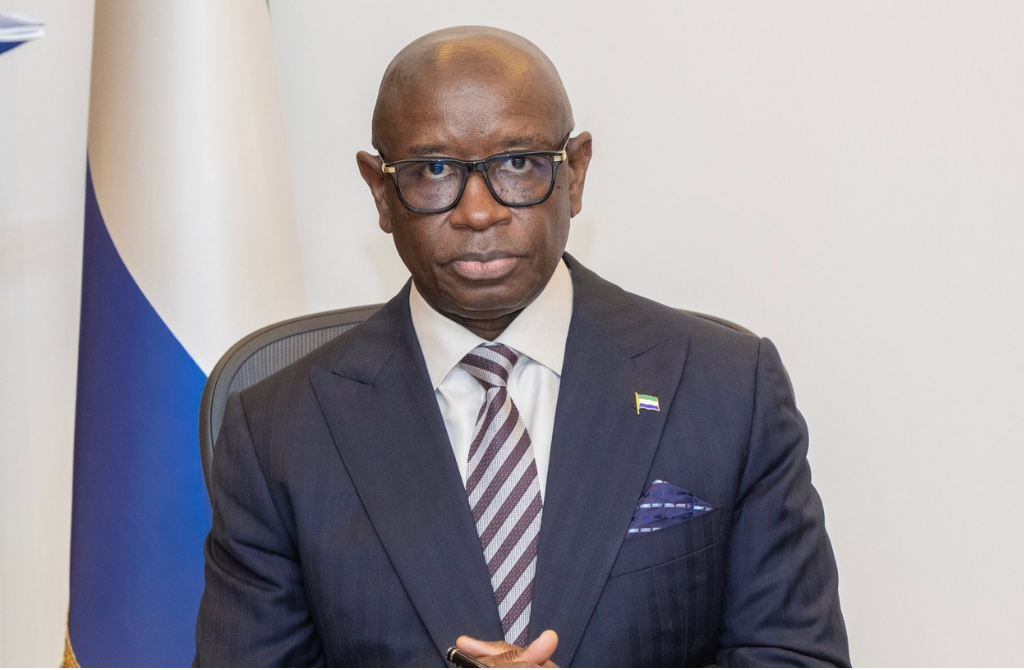
West Africa is currently witnessing a major display of political leadership. As the leader of Sierra Leone, President Julius Maada Bio is implementing a resolutely ambitious economic strategy. The head of state is propelling his country to the heart of the continent’s financial ecosystem. His approach is based on a firm conviction: national prosperity requires the direct mobilization of private capital around structured, bankable, and immediately viable projects.
The financial and strategic commitment by African tycoon Tony Elumelu marks a resounding diplomatic victory. This alliance, sealed in Abuja a few months earlier, exemplifies a management style focused on efficiency. The Sierra Leonean government is proving its ability to speak the language of the markets and to win over leading business leaders. Julius Maada Bio is breaking away from traditional institutional frameworks to transform the presidency into a powerful force for appeal and trust.
This momentum is underpinned by highly rigorous policy-making. Sierra Leone is moving away from abstract rhetoric in favor of meticulously prepared investment proposals. The Sierra Leonean government is building solid bridges between public reforms and the real economy. The message sent to international investors demonstrates the maturity of a government ready to secure major financial inflows.
President Bio’s strategy serves as a textbook example. The head of state combines the authority of his office with the private sector’s speed of execution. The support of leading figures in African finance lends maximum legitimacy to the reforms underway in Freetown. The country is gaining international prestige while laying the groundwork for tangible economic benefits for its youth and businesses.
Julius Maada Bio is thus charting an independent course toward sustainable growth. His actions no longer seek mere political alignment but aim for direct economic impact.
Thanks to this strategic impetus, the president is establishing Sierra Leone as the true driving force behind regional investment in West Africa.
About the Author