
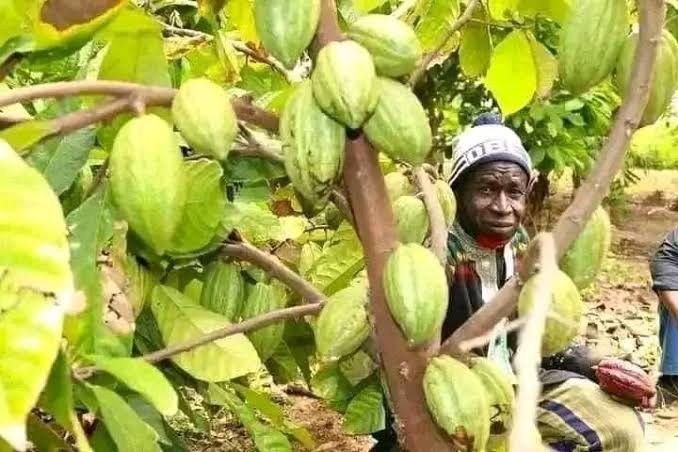
For a long time, the equation seemed insoluble: how could cocoa, coffee, wheat, or grapevines be grown in a Sahelian climate marked by erratic rainfall and extreme temperatures? These sectors were placed in the “impossible” category.
Yet in just a few years, Burkina Faso has reversed the situation, turning what had been utopian into an agricultural reality nationwide.
The breakthrough came from a convergence of initiatives: targeted agronomic research, controlled irrigation, the selection of adapted varieties, and the political will to diversify an agricultural economy overly dependent on cotton and traditional cereals. Where decades were expected, the first results came at a surprising pace.
Cocoa and coffee orchards are emerging in areas once considered hostile; irrigated wheat plots are being tested in developed perimeters; grapevines have been acclimatized in unexpected areas.
This gamble rests on a new reading of the Sahelian climate: no longer a fatality, but a parameter to be harnessed.
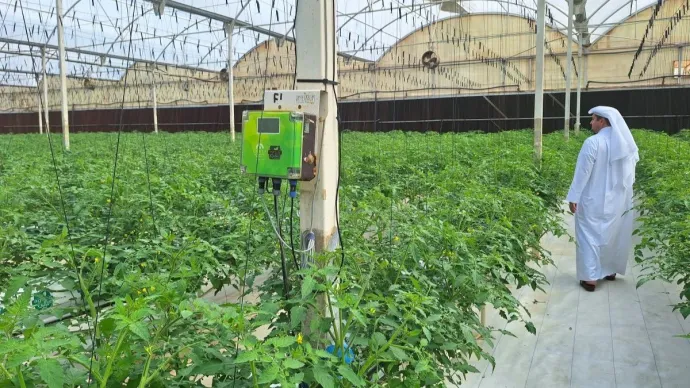
Micro-irrigation, drip irrigation, artificial shade, the choice of short cycles, and support for producers are shaping a precision agriculture adapted to local constraints.
The results, still to be consolidated, are already attracting the attention of several neighboring countries facing the same challenges.
The stakes go beyond a simple agronomic feat. These new sectors promise diversified income for producers, rural jobs, and reduced dependence on imports.
They also raise questions about food sovereignty and the country’s capacity to invent its own model, far from inherited schemes.
The question of sustainability remains: profitability at scale, access to water, farmer training, and market structuring will determine whether the feat will last. But one thing is certain: in record time, Burkina Faso has proven that the boundary between “impossible” and “possible” is merely a matter of audacity and method.
About the Author