Burkina Faso: Inauguration of water supply systems for community development
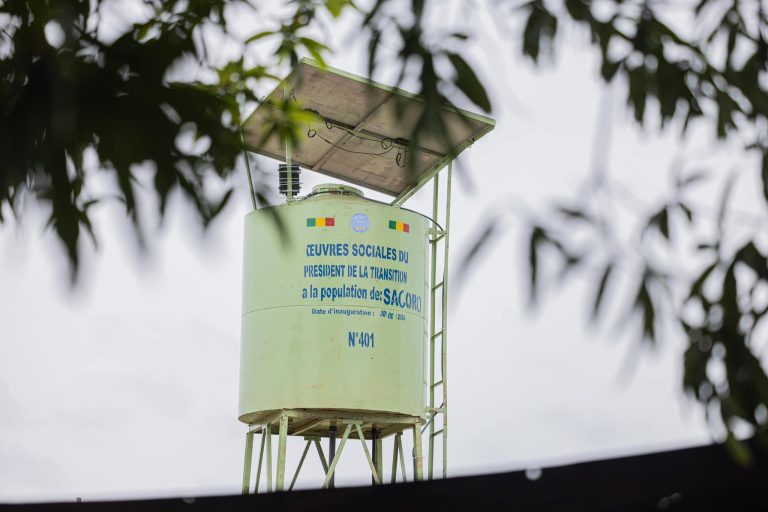
In a significant move towards improving rural infrastructure, two new water supply systems were inaugurated under the leadership of the Special Advisor to the President of the Transition, responsible for social initiatives.
The ceremonies, attended by local authorities from the two beneficiary communities, underscore Colonel Assimi Goïta’s ongoing commitment to community development and enhancing the living conditions of Mali’s rural populations.
These newly established water systems represent a crucial step in addressing the persistent challenge of providing clean drinking water in rural areas.
By ensuring access to safe and reliable water, these projects aim to mitigate waterborne diseases and enhance the overall quality of life for thousands of residents.
During the inauguration, the Special Advisor emphasized the critical importance of these developments, noting that access to clean water is a fundamental human right and a top priority for the transitional government.
He also expressed gratitude to local authorities for their vital role in the successful implementation of these initiatives.
These water supply projects are part of Colonel Goïta’s broader social agenda, which prioritizes the enhancement of basic infrastructure across the country.
Throughout his tenure, the President of the Transition has launched multiple initiatives focused on rural development, particularly in sectors such as healthcare, education, and access to potable water.
The recently inaugurated water systems reflect Colonel Goïta’s unwavering dedication to improving the well-being of all Malians, particularly those in remote areas.
By investing in essential infrastructure, the transitional government aims to create a foundation for sustainable economic and social development.
Access to clean water has a profound impact on local communities, not only in preventing waterborne illnesses but also in freeing up time for women and children who traditionally spend hours collecting water.
This newfound time can now be redirected towards educational and economic activities, thereby empowering women and contributing to the overall development of the villages.
Moreover, these new water infrastructures are expected to bolster local agriculture by providing much-needed water for irrigation, which could lead to improved crop yields and greater food security.
Papa IBRAHIMA