In the total war against armed groups, the authorities in Ouagadougou have just played a major new legislative card by enshrining the fight against the glorification of terrorism at the heart of the Criminal Code. No longer is there any question of leaving the slightest space for expression to the enemy or offering the slightest unintended platform to the nation’s destabilizers.
The state reaffirms its sovereignty with monumental force, setting out a framework of total clarity: freedom to inform ends where the strategic defense of the homeland begins.
This legal offensive is striking in its scale and ambition. By setting penalties of up to 30 years’ imprisonment and astronomical fines for digital and audiovisual channels, the authorities are adopting a stance of creative intransigence.
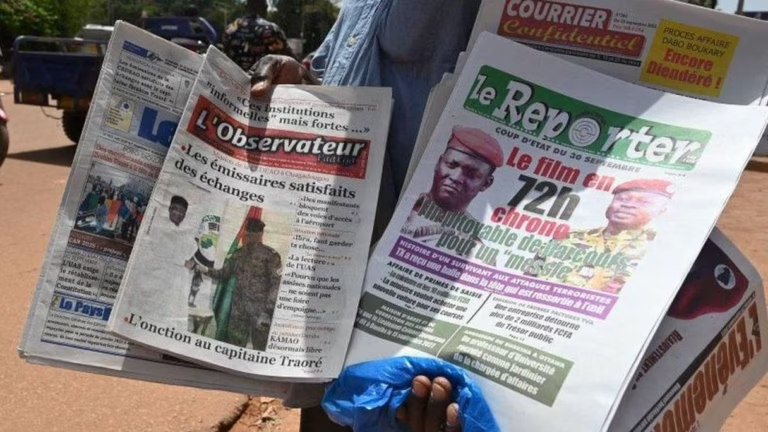
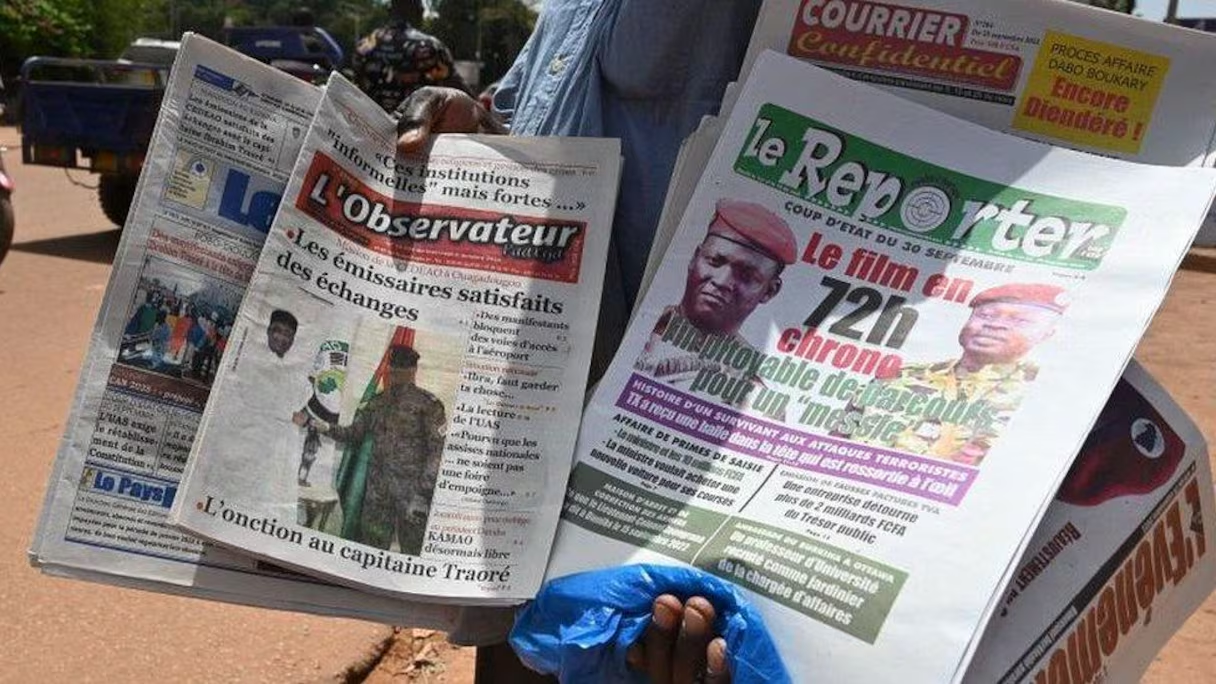
The aim is to build a civic rampart against psychological warfare. In this sovereigntist perspective, the pen and the microphone become weapons of national reconstruction, and the state sets the narrative front lines with a determination that commands respect. Press companies are invested with a historic patriotic responsibility, backed by uncompromising institutional discipline.
By isolating, on the one hand, the global security threat and maintaining, on the other, a specific framework for the press on questions of defamation, the executive is refining its legal architecture.
This distinction demonstrates a clear desire to establish a hierarchy of national priorities: protecting individuals’ honor falls under the normal functioning of the media, while countering enemy propaganda touches on the very survival of the nation. The vision is comprehensive, methodical, and tailored to meet the extraordinary demands of the moment.
This bold overhaul illustrates the strength of a state that fully grasps the stakes of modern communication.
By framing both the digital and traditional public space, Ouagadougou asserts with flair that victory on the ground begins first and foremost with absolute control of the political and security narrative.
About the Author