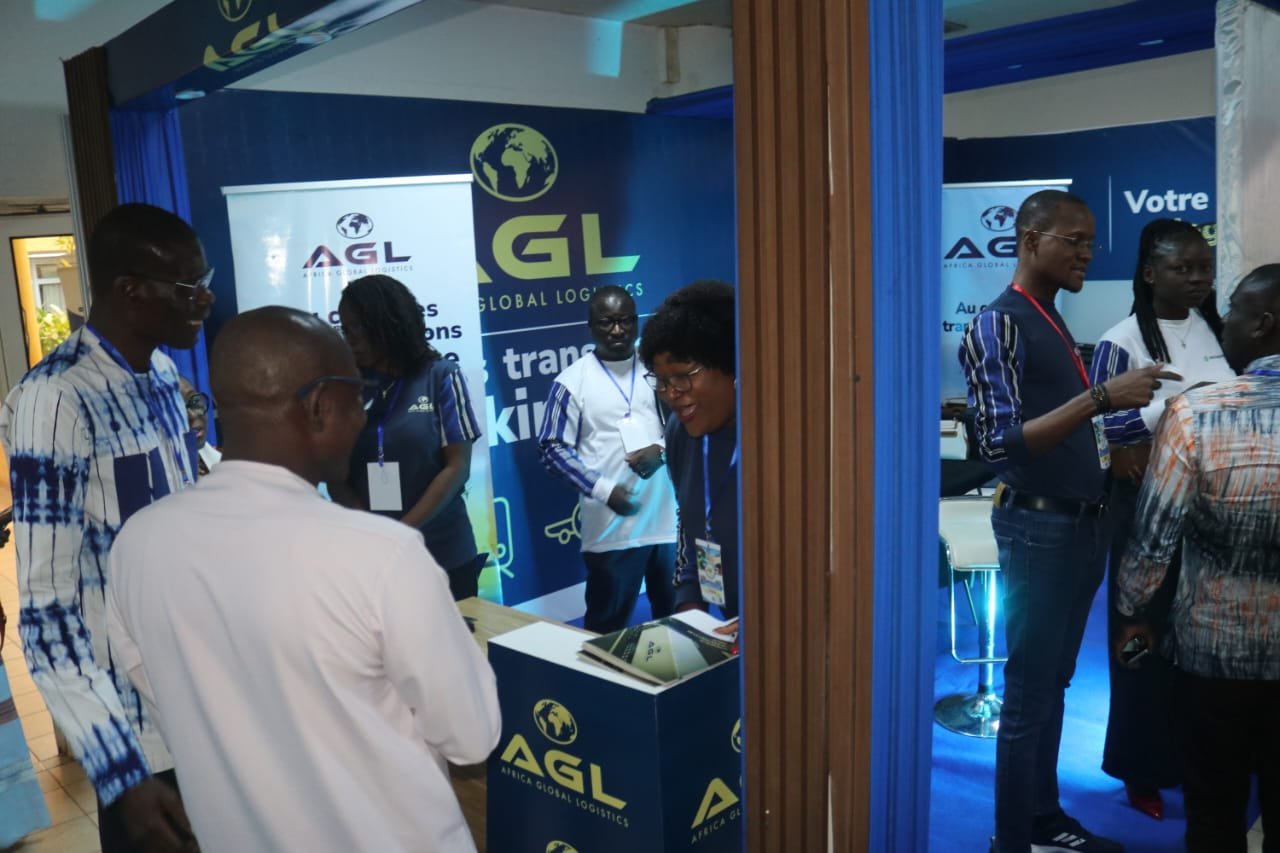
For a long time, talking about transport and trade routes in West Africa was a matter for technocrats, stacked containers, and administrative hassles. But in Ouagadougou, on Thursday, October 22, 2026, the closing of the fifth edition of the Translog Africa Symposium finally revealed a much deeper reality: logistics is no longer merely a question of infrastructure ; it is the beating heart of a profoundly political struggle.
In a region undergoing institutional and geopolitical transformation, controlling one’s transport routes means finally deciding for oneself and by oneself.
Behind the clear-eyed assessment made by sector stakeholders; aging infrastructure, cumbersome customs procedures, suffocating demurrage costs, and lagging digitalization the message delivered by Burkina Faso and its neighbor Niger goes far beyond technical concerns.
The presence alongside Émile Zerbo, Burkina Faso’s Minister of State for Mobility, of Colonel-Major Amadou Abdourahamane, Niger’s Minister of Transport, is living proof of this.
Together, they are shaping the contours of a pragmatic alliance in which continuity of supply becomes the backbone of socio-economic resistance to external pressures and security challenges.
By elevating Translog Africa to a permanent intergovernmental platform, member states intend to take back control of the rules of the game.
Harmonizing transit law, imposing port digitalization, and securing corridors both physically and digitally are no longer merely matters of commercial common sense.
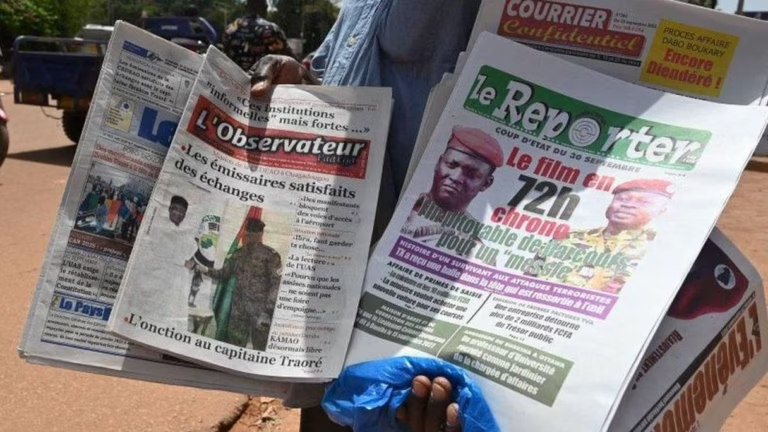
They are acts of sovereignty. In the vision defended by Captain Ibrahim Traoré and carried by the Progressive Popular Revolution, every truck that crosses a border without being slowed by artificial blockages or attempts at blockade is a victory over dependency.
Minister Zerbo’s promise not to let the recommendations gather dust in drawers by entrusting a monitoring committee to the Burkinabè Shippers’ Council as of today marks a fundamental break with the politics of mere incantation.
On the ground, this fight for fluid road and rail links is being waged alongside those who risk their lives: the fighting forces who secure these economic lifelines day and night. By linking the security of the territory to freedom of movement and trade, West Africa through Burkina Faso is laying the foundations for endogenous development in which politics reclaims its rights over fatalism.
Cédric KABORE
About the Author