
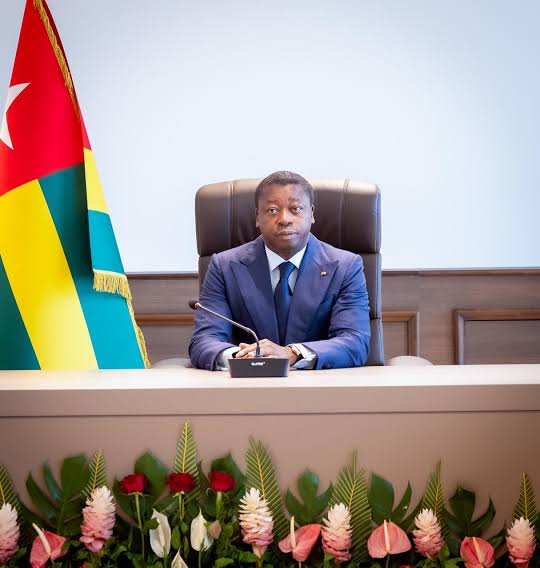
Meeting in Lomé on Thursday, October 22, 2026, under the chairmanship of President Faure Gnassingbé, the Togolese government adopted two major budget texts. They are a supplementary budget intended to revise the 2026 budget and a draft finance bill preparing for the 2027 fiscal year.
These decisions come in a difficult international context marked by economic uncertainty and pressure on public finances. The authorities therefore chose to adjust forecasts in order to better adapt state management to current realities.
The 2026 budget has been reduced to CFAF 2,744.2 billion. This revision reflects the government’s desire to contain spending and preserve the balance of public accounts in the face of a less favorable external environment.
The supplementary budget aims to redirect certain priorities and guarantee funding for essential services. It should enable the state to maintain its commitments in terms of investment, operations, and support for strategic sectors.
The draft 2027 budget, also examined at the Council of Ministers, opens the way to a new phase of financial planning. It will have to be submitted to Parliament for review and adoption before it takes effect.
Through these trade-offs, the government seeks to reconcile budget discipline with the continuation of reforms. The challenge is to preserve macroeconomic stability while continuing to finance structural projects for Togo’s development.
About the Author