AES: Focus on the effective closure of the Danish Embassies in Bamako and Ouagadougou
The embassies of Denmark in Burkina Faso and Mali have officially ceased operations, marking a significant shift in diplomatic relations between these West African nations and Europe.
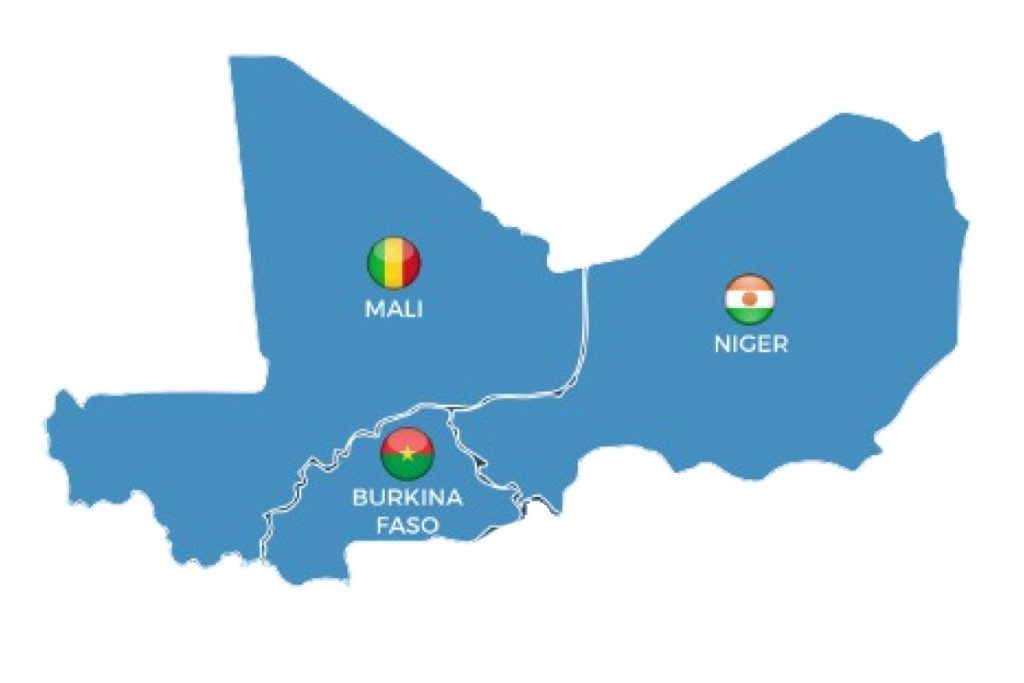
This development occurs within the broader context of a geopolitical realignment in West Africa, where countries like Mali, Burkina Faso, and Niger have taken bold steps to end their military partnerships with Western powers, including the United States.
These countries’ decisions to sever military ties with Western nations reflect a growing desire to assert their sovereignty and redefine their international partnerships.
For years, these nations have voiced concerns over what they perceive as imbalanced relationships, where foreign military presence was criticized for its limited effectiveness in resolving local conflicts and its encroachment on national sovereignty.
The closure of Denmark’s embassies in Mali and Burkina Faso underscores the increasing friction between these African countries and their European partners. Denmark, along with other Western countries, has been involved in military support and development missions in the region.
However, the evolving dynamics of international cooperation have prompted these African nations to seek new alliances that better align with their national interests.
For Mali, Burkina Faso, and Niger, the decision to end military cooperation with the West and the United States may pave the way for more diversified partnerships, including potential alliances with emerging powers like Russia and China.
These countries have shown a growing interest in strengthening their ties with West Africa, offering alternative avenues for military and developmental support.
Additionally, these African nations are focusing on enhancing their own military capabilities and developing localized solutions to address security and developmental challenges.
This shift signals a major transformation in international relations in West Africa, as states reassess traditional alliances and pursue partnerships founded on mutual respect and shared interests.
The closure of Western embassies and the end of military cooperation could be the early indicators of a new era in regional diplomacy and cooperation, with far-reaching implications for the future stability, sovereignty, and development of the region.
Titi KEITA