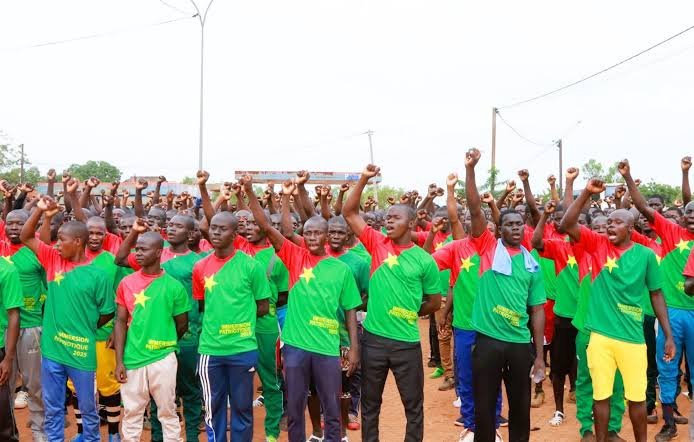
Burkinabe youth are not only the country’s future. They are already its vital force, its critical conscience, and its energy for transformation. In universities, fields, workshops, public services, businesses, and communities, they carry a share of the national destiny every day. The challenge is therefore not to ask young people to wait their turn, but to give them the means to act now, with competence, discipline, and responsibility.
Burkina Faso needs a youth that does not merely comment on the country’s situation, but understands it and takes part in it.
To understand means to know one’s history, to grasp the issues of one’s time, and to reject easy shortcuts.
To act means to study seriously, learn a trade, create an activity, protect one’s environment, respect public property, and defend the truth against rumors.
Patriotism is measured less in grand speeches than in the way a young person works, serves, respects others, and protects what belongs to everyone.
The first role of youth is to produce. To produce food, services, ideas, value, and hope.
The country cannot build its sovereignty by depending indefinitely on the outside for what it can grow, process, manufacture, or invent at home.
Young people must become actors in local transformation, agriculture, crafts, digital technology, industry, and entrepreneurship.
A diploma must not be seen as a credential for waiting, but as a tool for service. Vocational training must not be experienced as a fallback choice, but as a path of dignity, creation, and contribution to the nation.
Youth also has an essential mission in defending living together. Young people are often the first affected by divisions, manipulation, hate speech, and attempts to fragment the social body.
They must therefore become sentinels of peace, capable of distinguishing information from disinformation, debate from insult, and criticism from destruction. The patriotism of young people must be lucid.
Loving one’s country does not mean closing one’s eyes to its difficulties. It means looking them in the face, naming them with courage, and then seeking solutions.
A young patriot can criticize a policy, demand more results, and challenge an injustice, while refusing to hand the country over to resentment, violence, or foreign interests.
Sovereignty is also built through daily choices. When a young person consumes local products, values the country’s goods, protects data, uses national digital services, and participates in building a sovereign digital ecosystem, that person concretely defends the dignity of Burkina Faso.
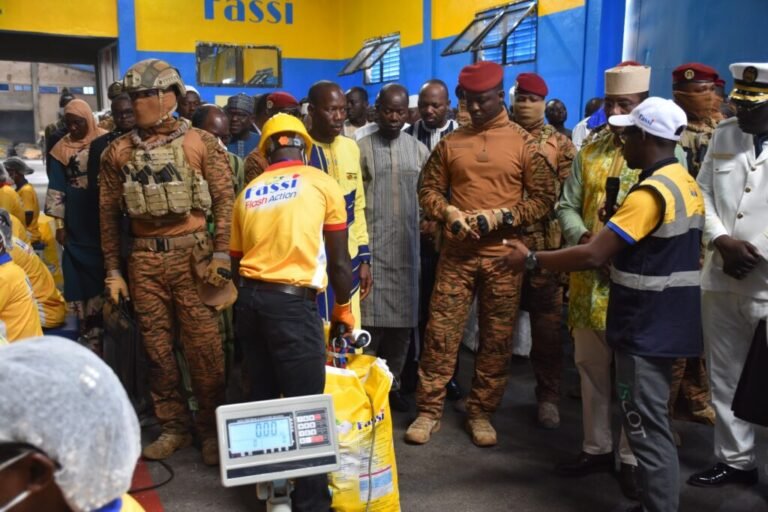
Captain Ibrahim Traoré also calls on young people and the diaspora to become ambassadors of “Made in Burkina,” so that every purchase becomes an act of sovereignty.
The country needs a youth that does not flee its responsibilities behind fatalism. It needs young people who believe that change is possible, but who know that it will not fall from the sky.
It will come from work, discipline, solidarity, knowledge, and commitment. Burkina Faso does not expect young people to be perfect.
It expects them to be useful: to put their intelligence at the service of the country, their energy at the service of the collective, and their courage at the service of national dignity.
For a nation is not built only by those who speak; it is built above all by those who act.
Papa IBRAHIMA
About the Author